Explore
Resources
Get the most from your archival records
11 topics
AI in the Humanities & Cultural Heritage
AI is reshaping how scholars work with the historical record. This hub explores what these tools can and can't responsibly do in the humanities, from opening closed archives to the risks of trusting a machine with the past.
Browse
Archives, Digitization & Metadata Workflows
Digitizing a collection is only half the job; making it searchable and well-described is the rest. This hub covers workflows from images to transcribed, organized records and where Leo fits in a wider digitization pipeline.
Browse
Court and Government Records
Court and government record series hold enormous runs of handwritten case files, dockets, and registers that were never indexed. Leo reads them with source integrity preserved, turning unsearchable holdings into well-described, publicly accessible text — without putting fragile originals at risk.
Browse
Handwritten Text Recognition (HTR)
Handwritten text recognition turns images of manuscript pages into searchable, editable text. This hub covers how HTR works, where it succeeds and struggles, and how you can make best use of it in your workflows.
Browse
Historical Climate and Scientific Data Rescue
Pre-industrial climate is written by hand, in the tabular columns of ship logbooks and station registers. Leo transcribes this material while preserving its grids and figures, helping data-rescue teams turn fragile observations into structured, quality-controllable datasets.
Browse
Historical Research Workflows
Good research depends on getting from a source to an understanding of it efficiently. This hub covers workflows for historians and researchers — capturing, transcribing, organizing, searching, and analyzing archival material in one place instead of stitching separate tools together.
Browse
HTR Software: Comparisons & Alternatives
Choosing a transcription tool means weighing accuracy, setup effort, and cost. This hub compares the main options — specialist HTR platforms, general OCR, and general-purpose AI models — and explains where each fits, and where a zero-shot model like Leo's changes the trade-offs.
Browse
Keeping Humans in the Loop
A confident, fluent transcription can still be wrong and general AI models fail in exactly that dangerous way, producing plausible fabrications. This hub makes the case for keeping the historian in the loop, and for tools that err recoverably and keep the source verifiable.
Browse
Land and Deed Records Transcription
Leo transcribes deed books, grantor/grantee indexes, and land patents as they are actually written, and turns them into searchable, well-indexed records you can stand behind.
Browse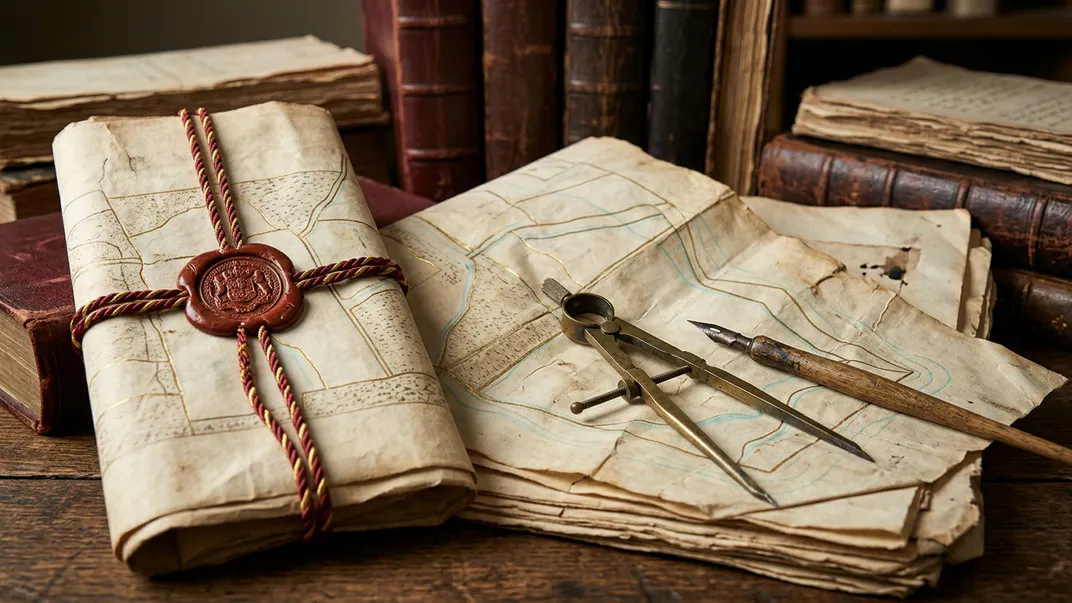
Reading Old Handwriting & Paleography
Secretary hand, court hand, archaic spelling, and contractions make older documents hard to read. Here you'll find practical guidance on deciphering historical hands.
Browse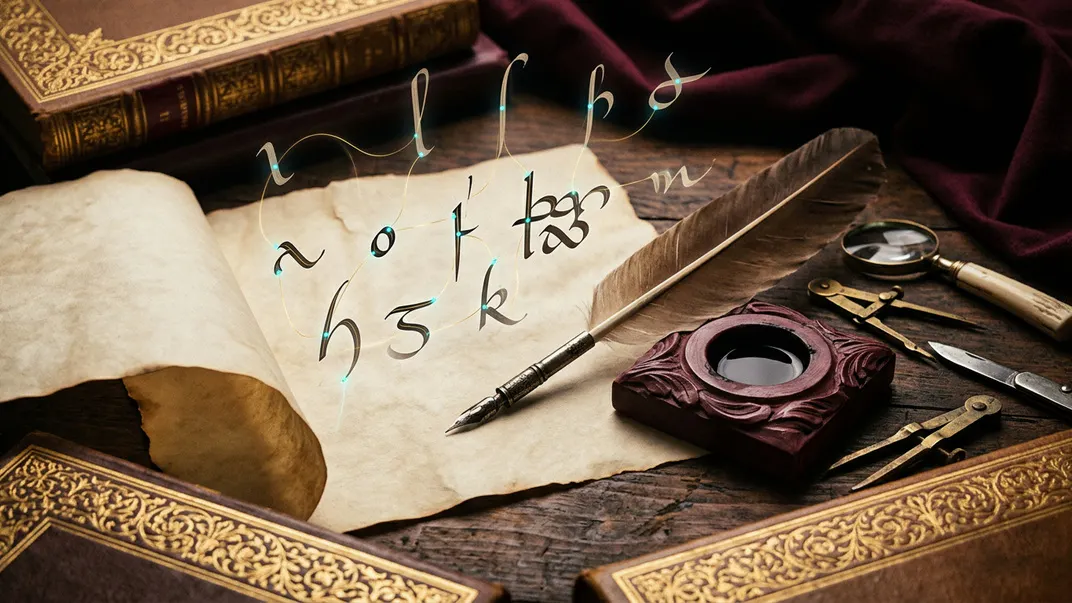
Transcribing Genealogy & Family History Records
Deeds, parish registers, wills, and census returns hold the family record, but most of it is handwritten and unsearchable. This hub covers transcribing genealogical sources and organizing them into a findable archive, so the bottleneck stops being the handwriting.
Browse