Historical Research Workflows
Good research depends on getting from a source to an understanding of it efficiently. This hub covers workflows for historians and researchers — capturing, transcribing, organizing, searching, and analyzing archival material in one place instead of stitching separate tools together.
8 articles

Leo Team · October 4, 2026
TEI for Transcriptions: A Beginner's Workflow from Diplomatic Text to Valid XML
A beginner's workflow for encoding transcriptions in TEI XML. It covers when a project needs TEI, the core elements for pages, lines, abbreviations, errors, gaps and corrections, a worked example, and how to validate and publish the result.
Read the article
Leo Team · September 17, 2026
Comparing Manuscript Versions: How to Collate Copies, Drafts, and Duplicate Registers From Transcribed Text
Comparing manuscript versions through a layered collation method: one faithful transcription per witness, normalization as a separate documented layer, then alignment so accidentals and variants remain recoverable.

Leo Team · September 17, 2026
How to Cite AI Transcription in Scholarly Work: Method Notes, Disclosure, and What Reviewers Ask
How historians should cite AI transcription in published scholarship: the manuscript takes the citation while HTR is disclosed in method notes covering platform, verification, and editorial decisions.

Leo Team · September 17, 2026
Archive Visit Checklist: What to Confirm, Pack, Photograph, and Record Before You Leave the Reading Room
A four-stage archive visit checklist for researchers consulting manuscripts, covering access confirmation, packing, reference-attached photography, and a final check of images and citations before leaving the reading room.

Leo Team · September 17, 2026
How to Search Handwritten Documents: Building a Full-Text Corpus From Your Archive Photos
How to turn photographed handwritten archive documents into a searchable full-text corpus through capture, transcription, quality control, and keeping diplomatic text separate from a normalized search layer.
Leo Team · August 18, 2026
Citing Primary Sources: A Working Method for Archival References You Can Defend
Working method for defensible archival citations: the retrieval coordinates a footnote must contain, British versus American conventions, digital surrogates, and why transcription is itself an editorial claim.
Leo Team · July 22, 2026
Building a Historical Research Workflow: From Archive Photo to Citable Source
Overview of the five-stage individual-researcher workflow (capture, organise, transcribe, analyse, cite) turning archival manuscript photos into citable sources, emphasizing how each stage constrains the next and where source fidelity must be protected.
Leo Team · July 20, 2026
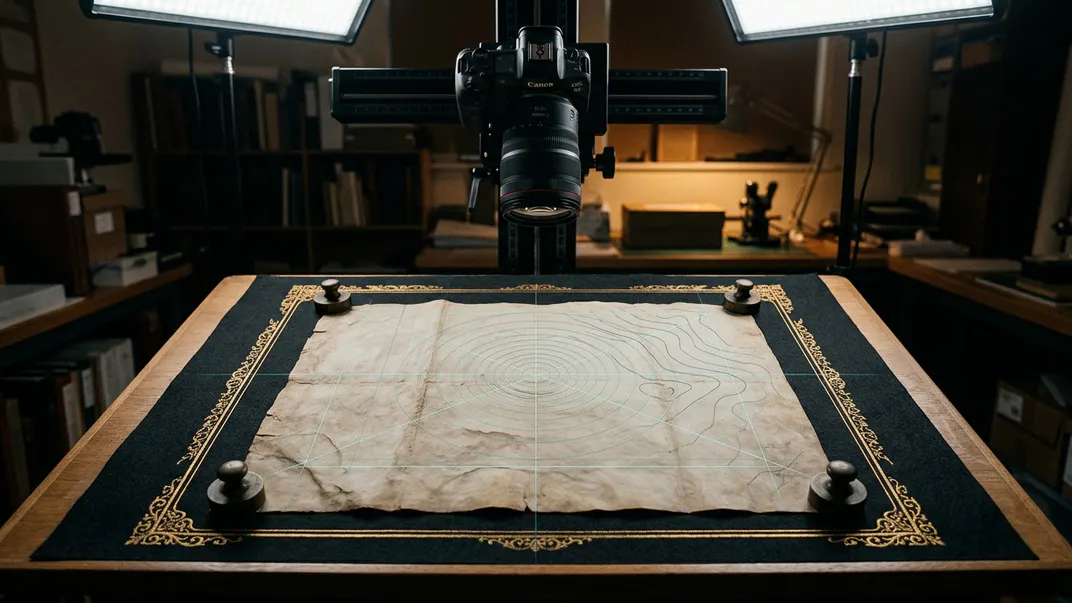
How to Photograph Archival Documents: A Field Method for Legibility and Faithful Capture
Photographing archival documents in reading rooms, with practical guidance on handheld capture, lighting, focus, geometry, file formats, and handling originals without damaging them.