
Handbook · English secretary hand
The secretary hand alphabet
The letter forms you’ll meet in English secretary hand, c.1550–1700. Open a form to see its model letter, examples, and the letters it gets mistaken for.
Earlier and later are tendencies, not rules. A writer could keep the forms he learnt young all his life, so a form alone dates a hand only roughly. (Petti p. 33)
Show
Period
a
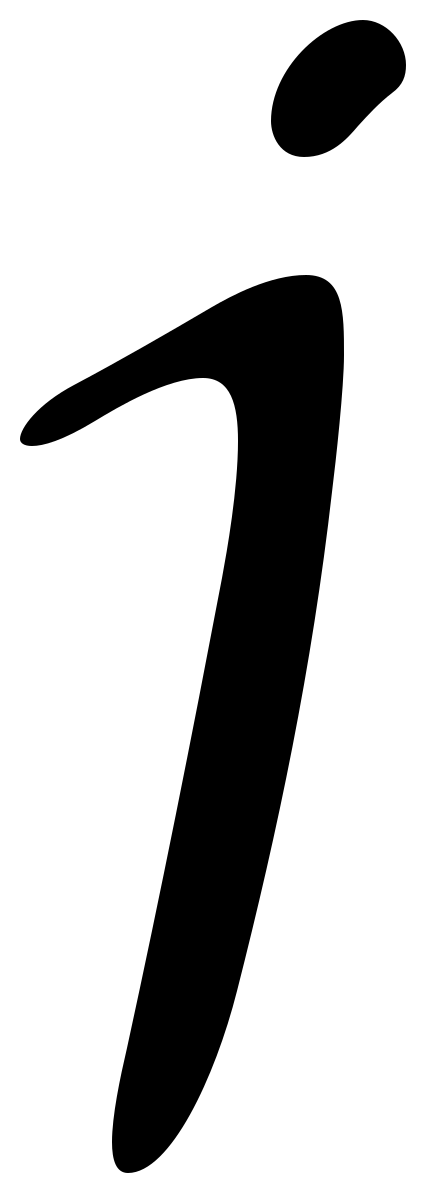
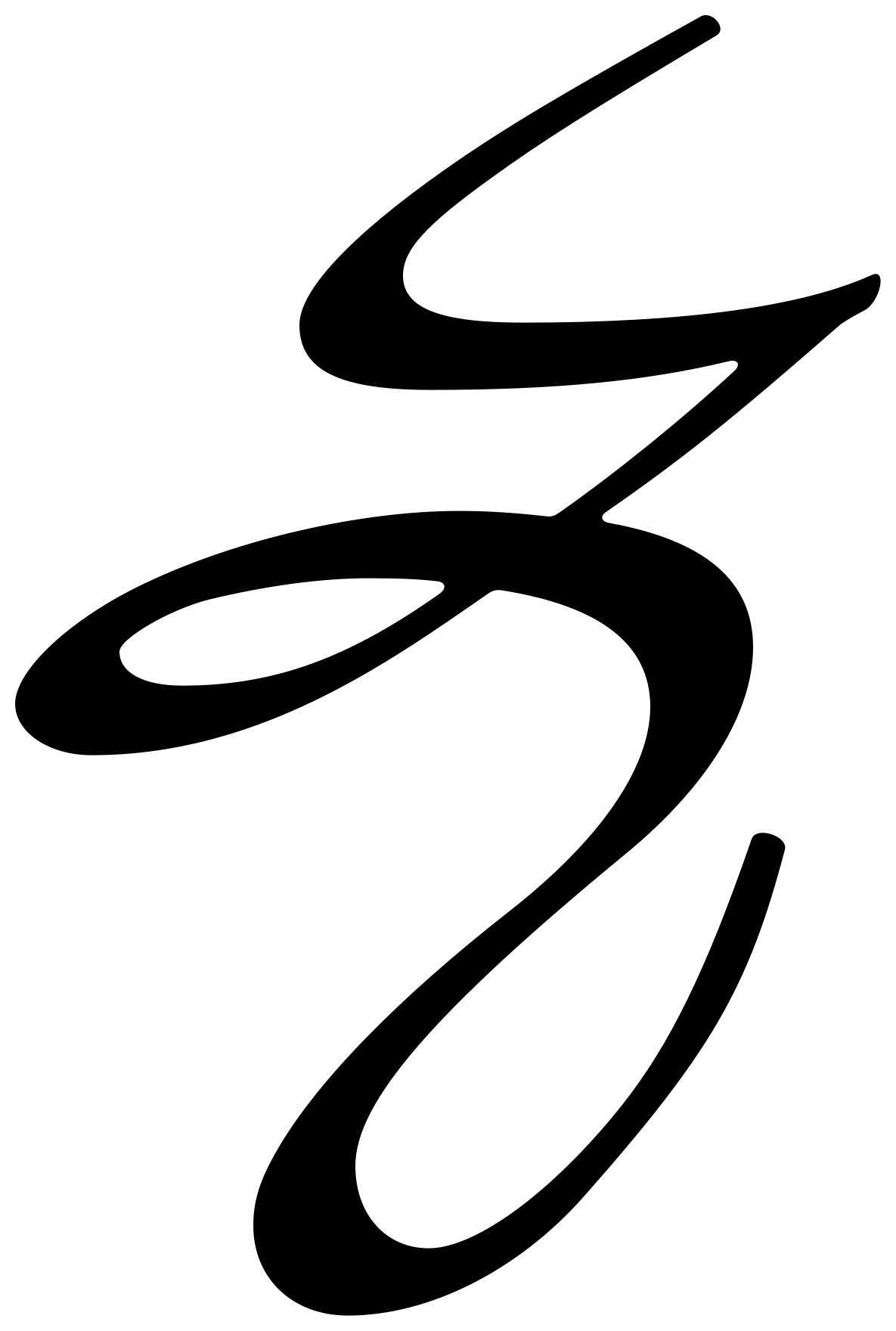
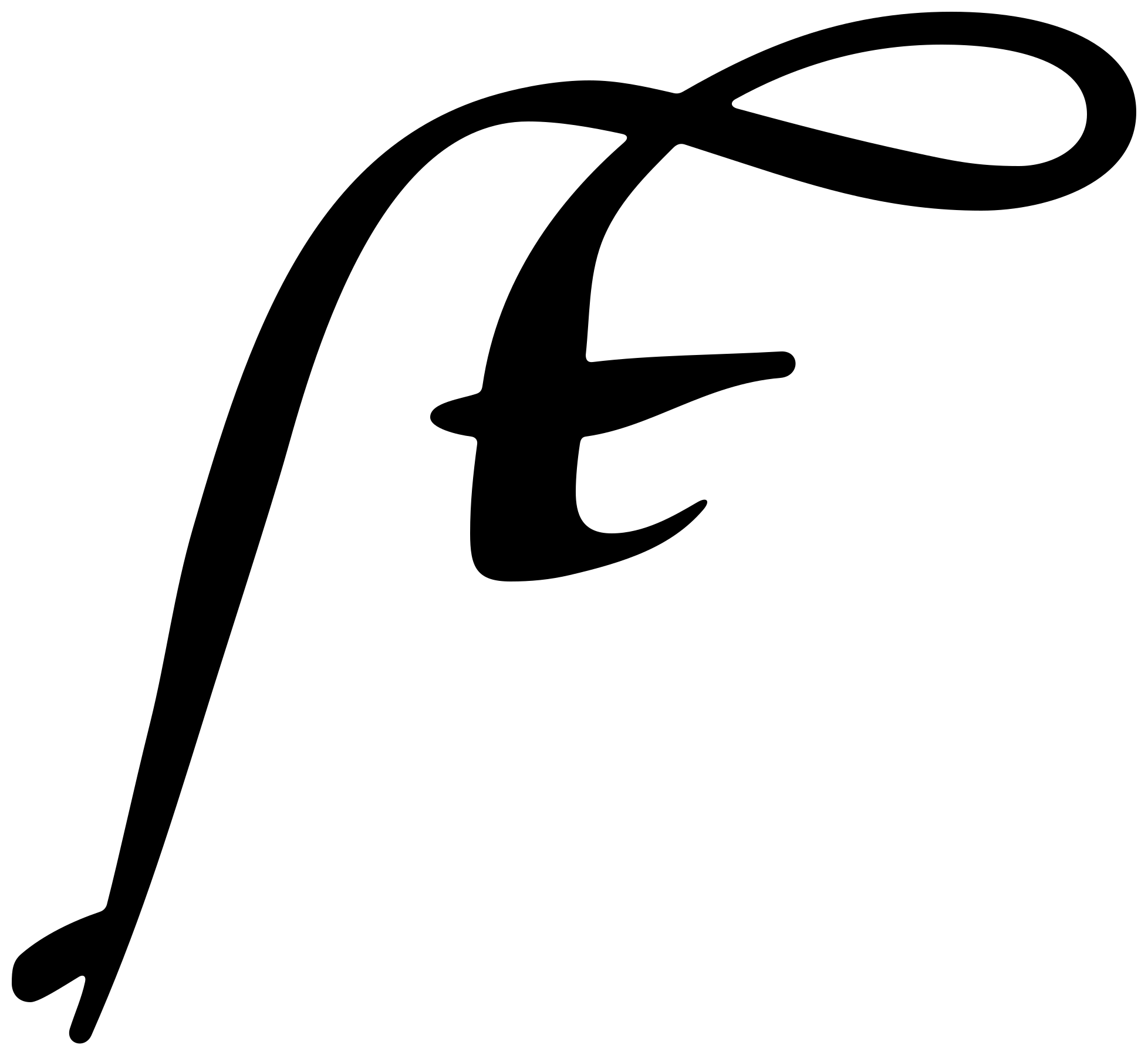
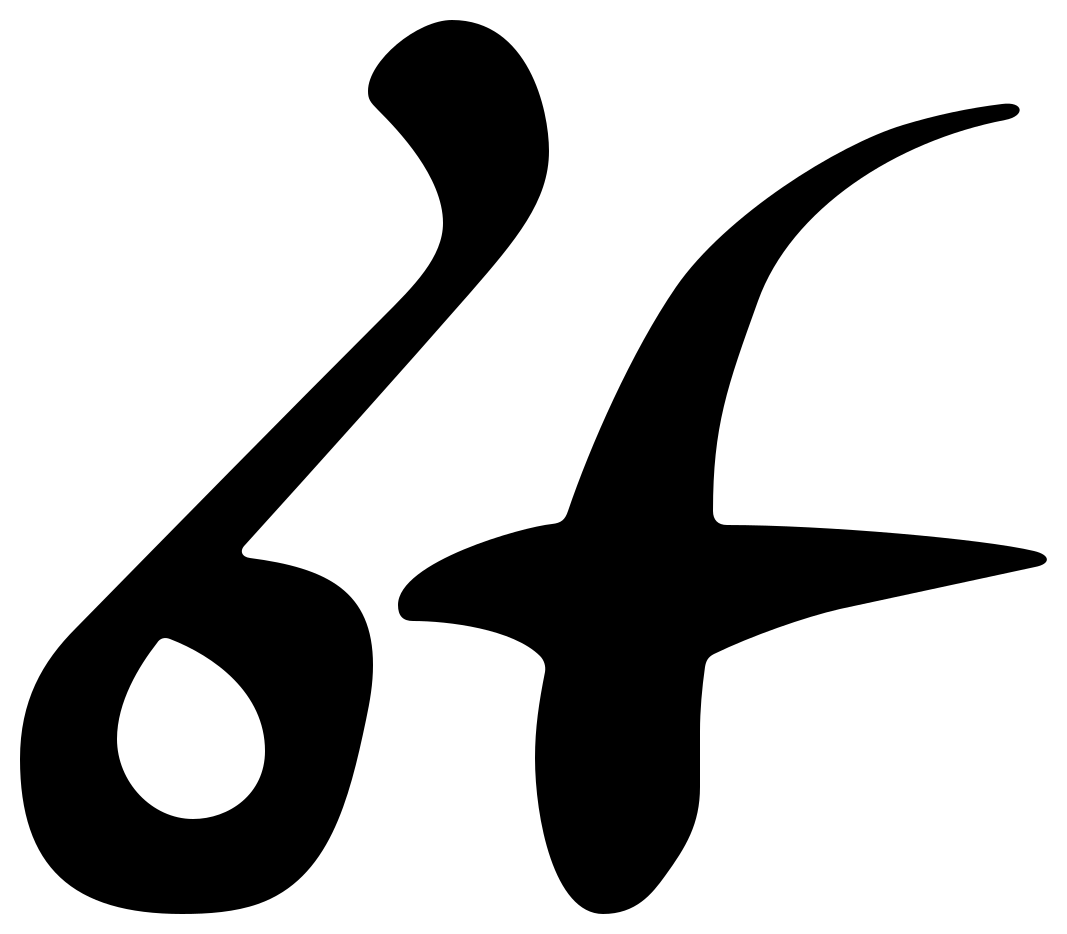
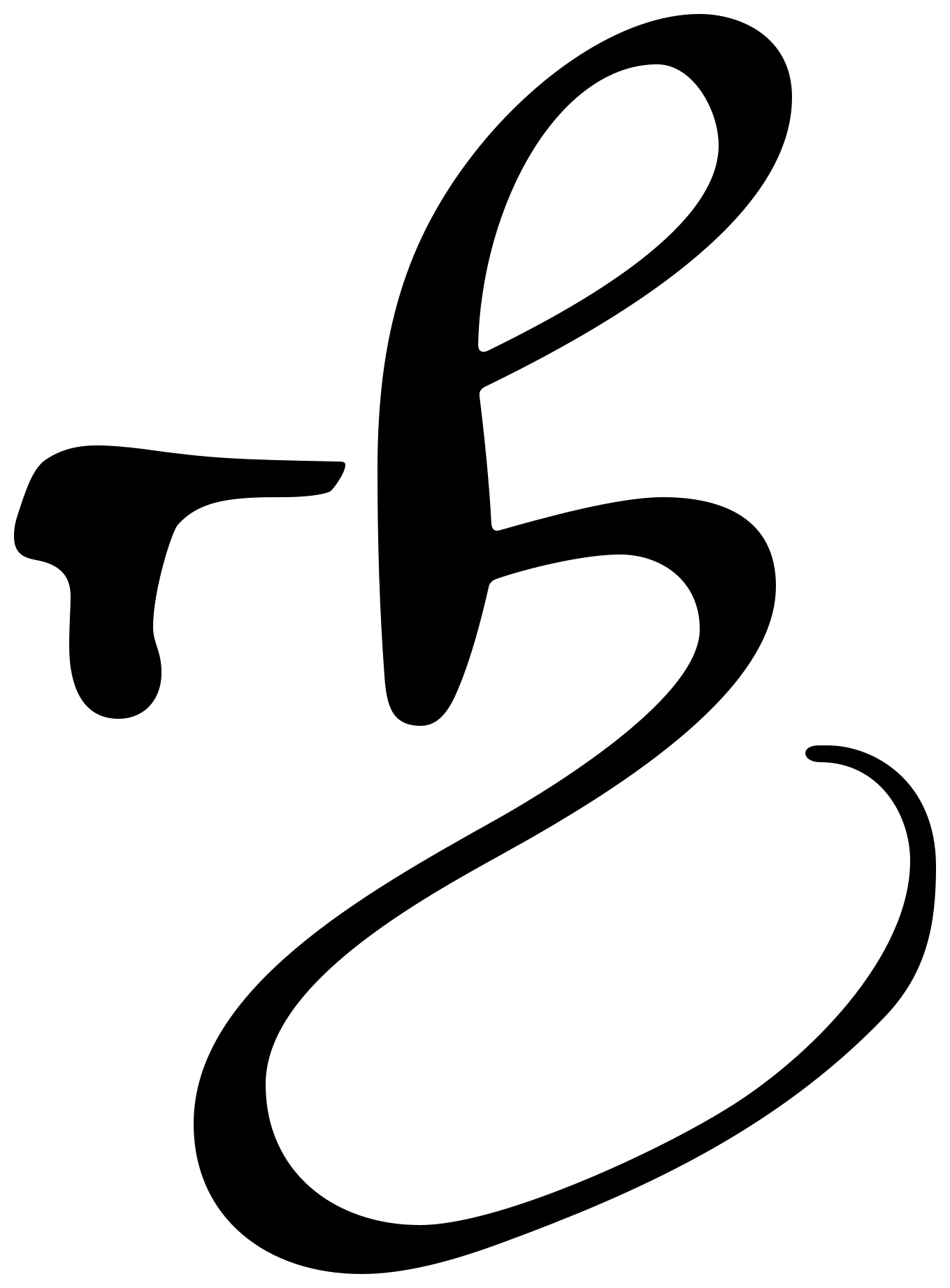
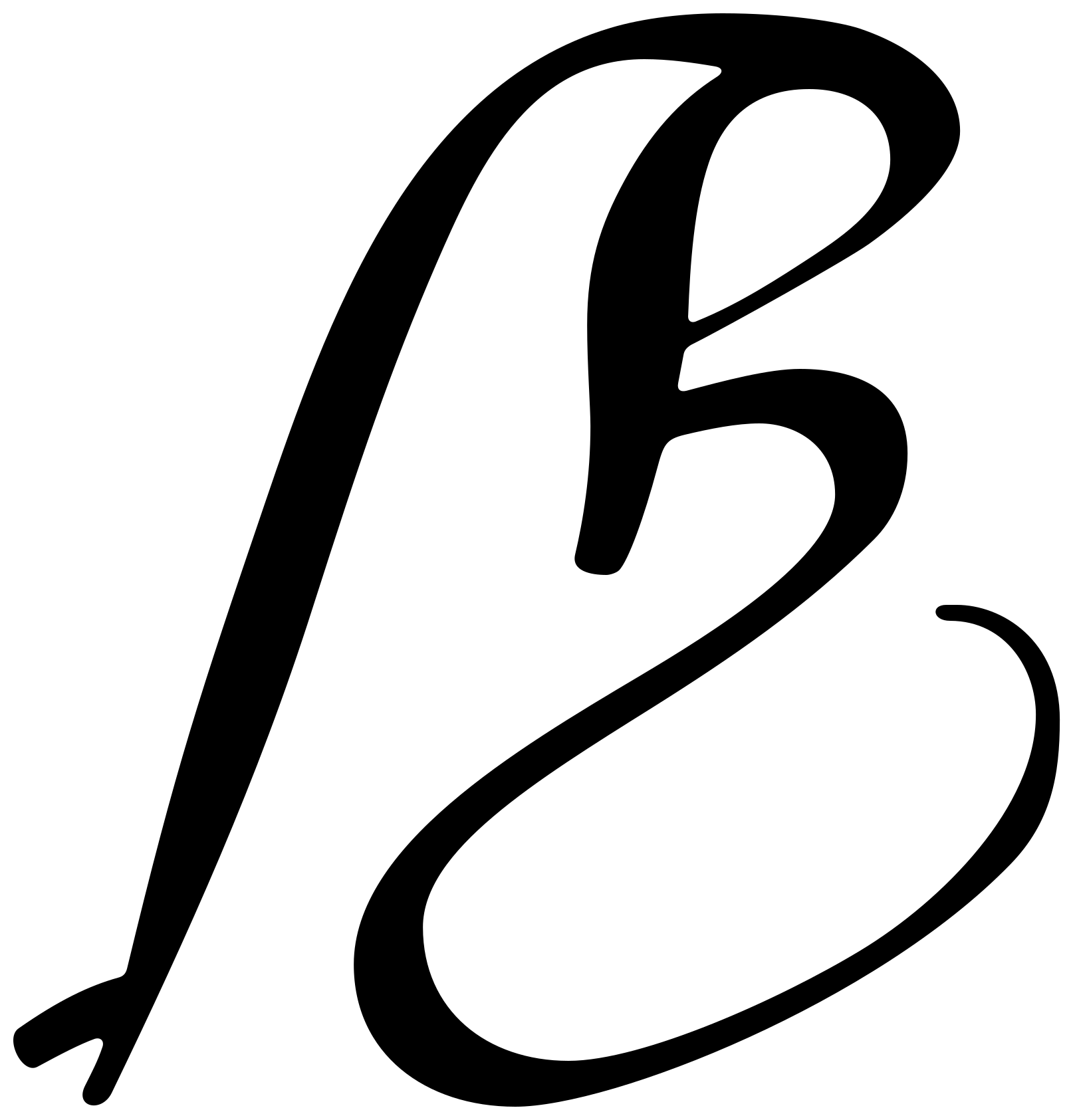
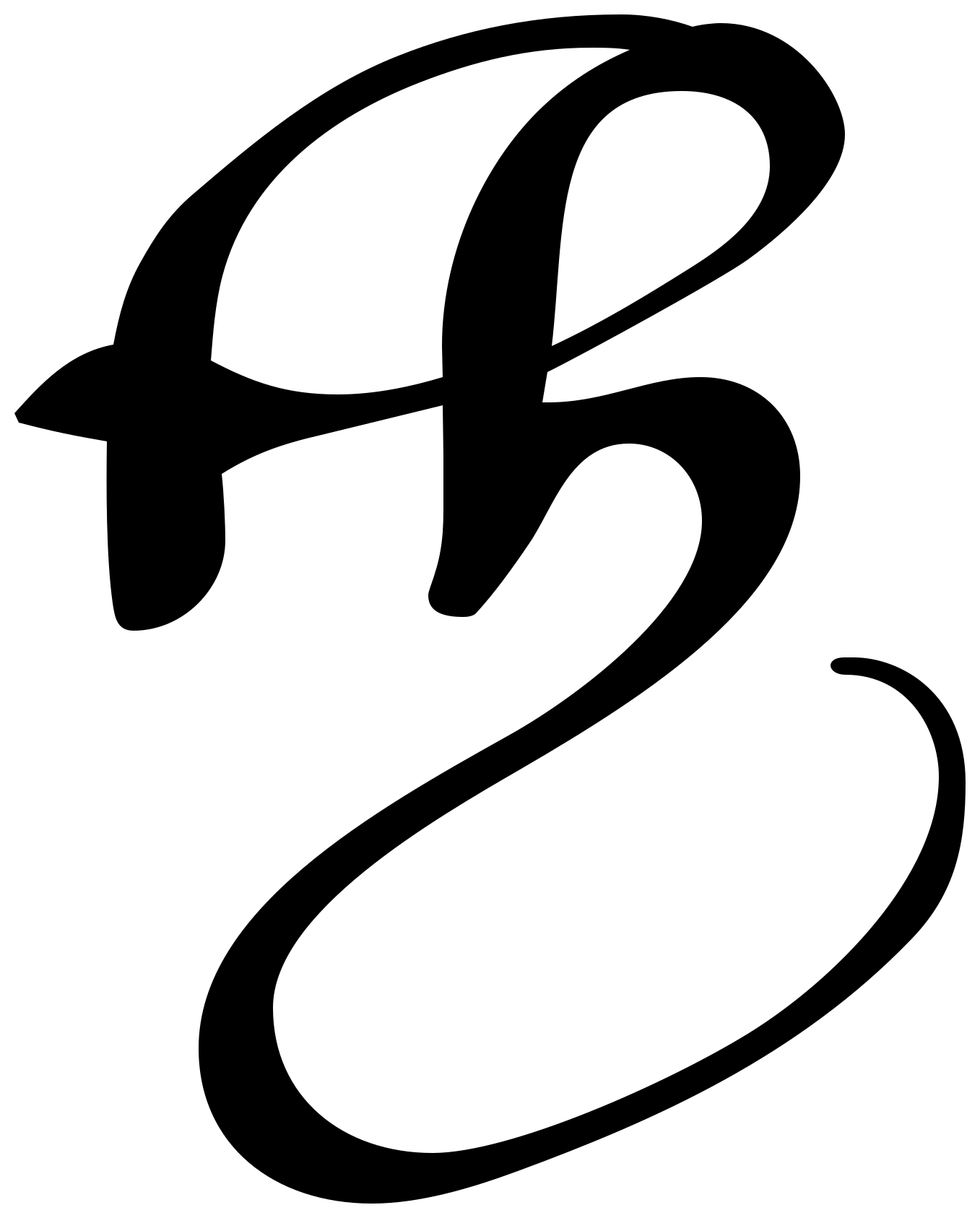
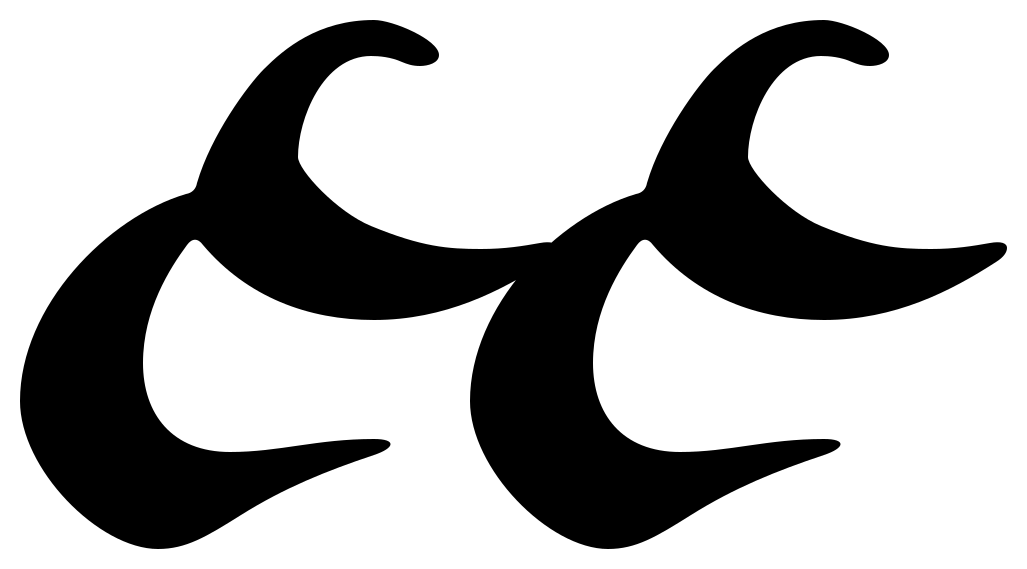
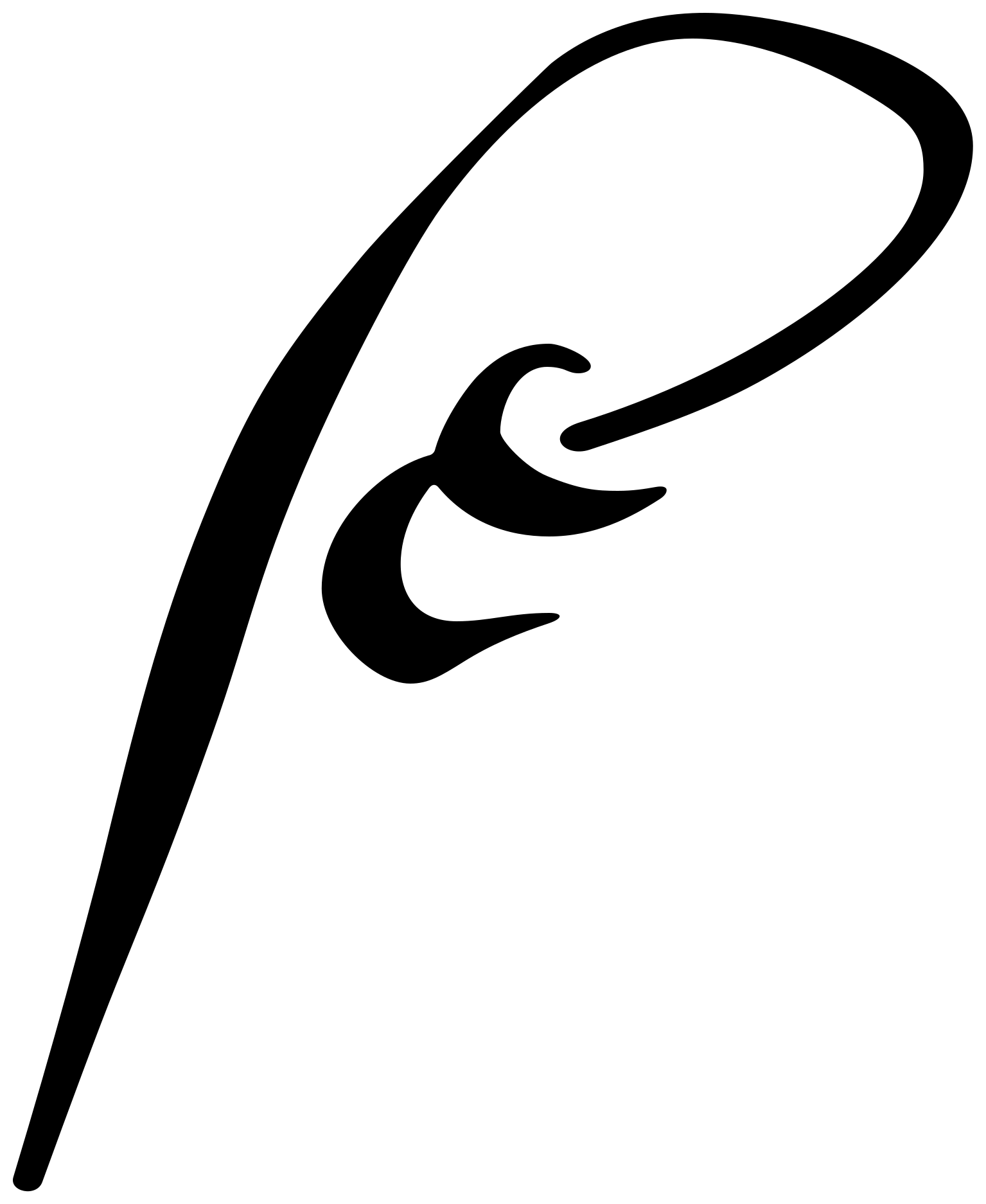
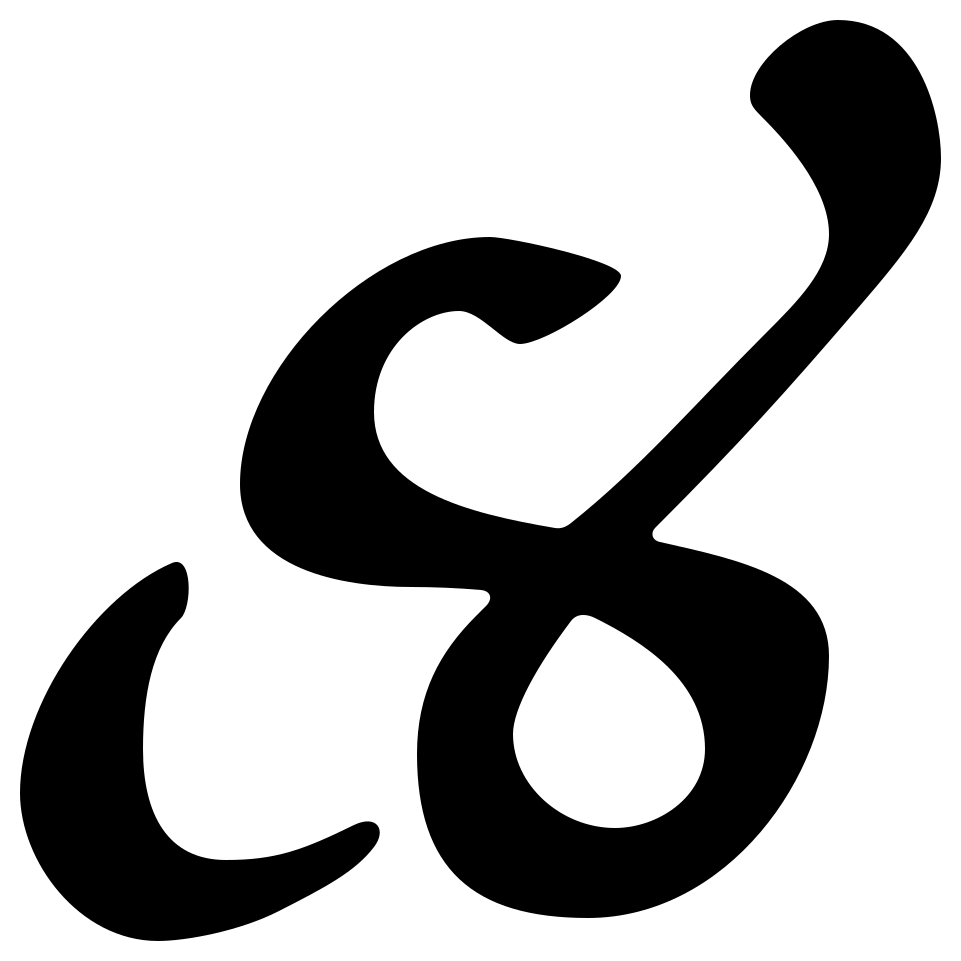
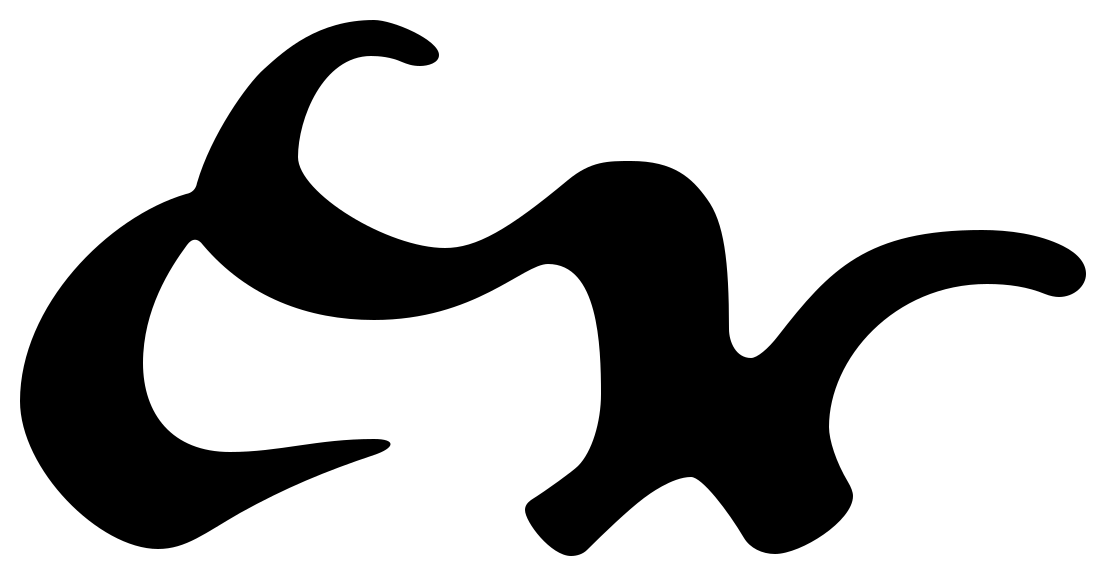
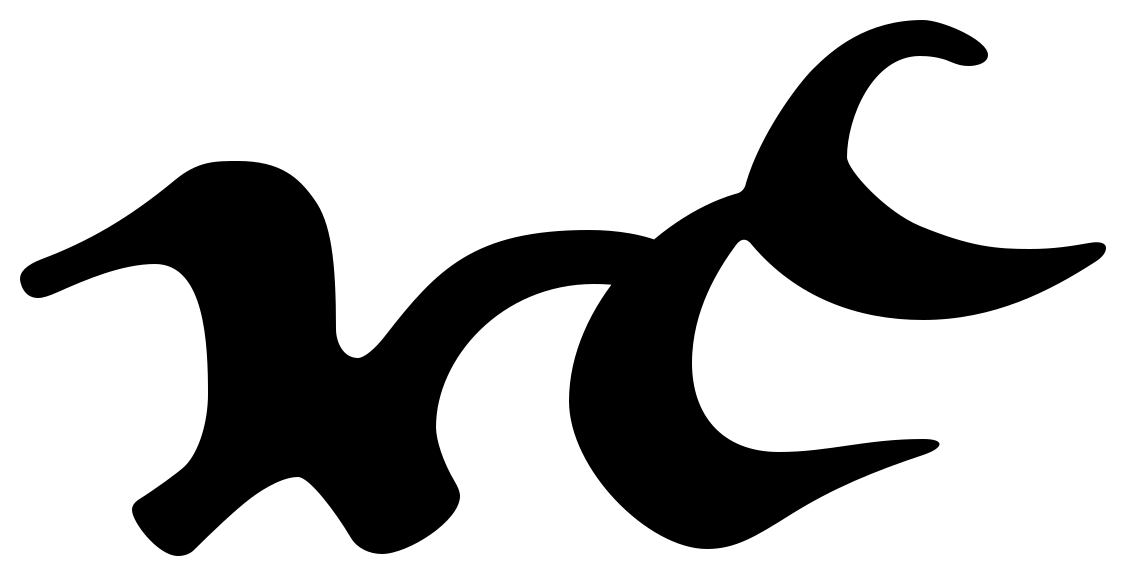
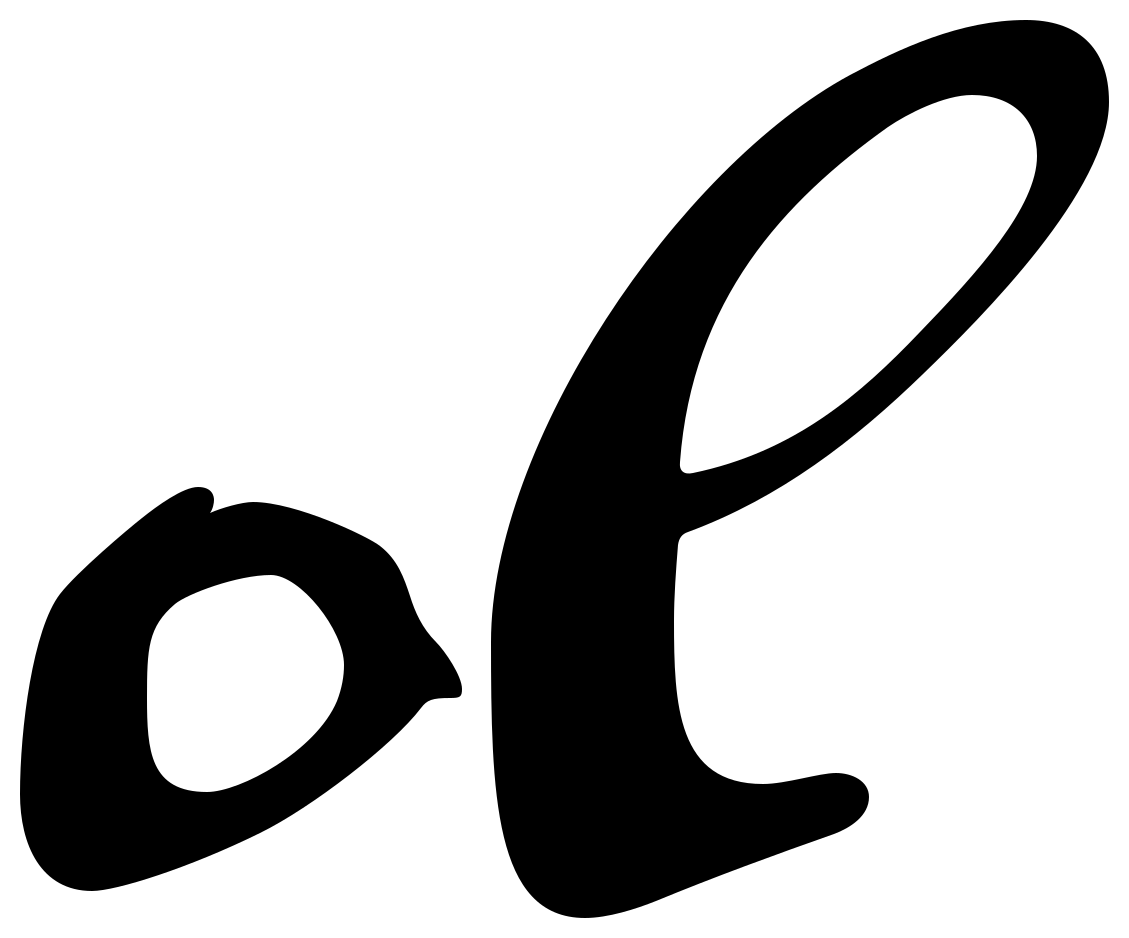
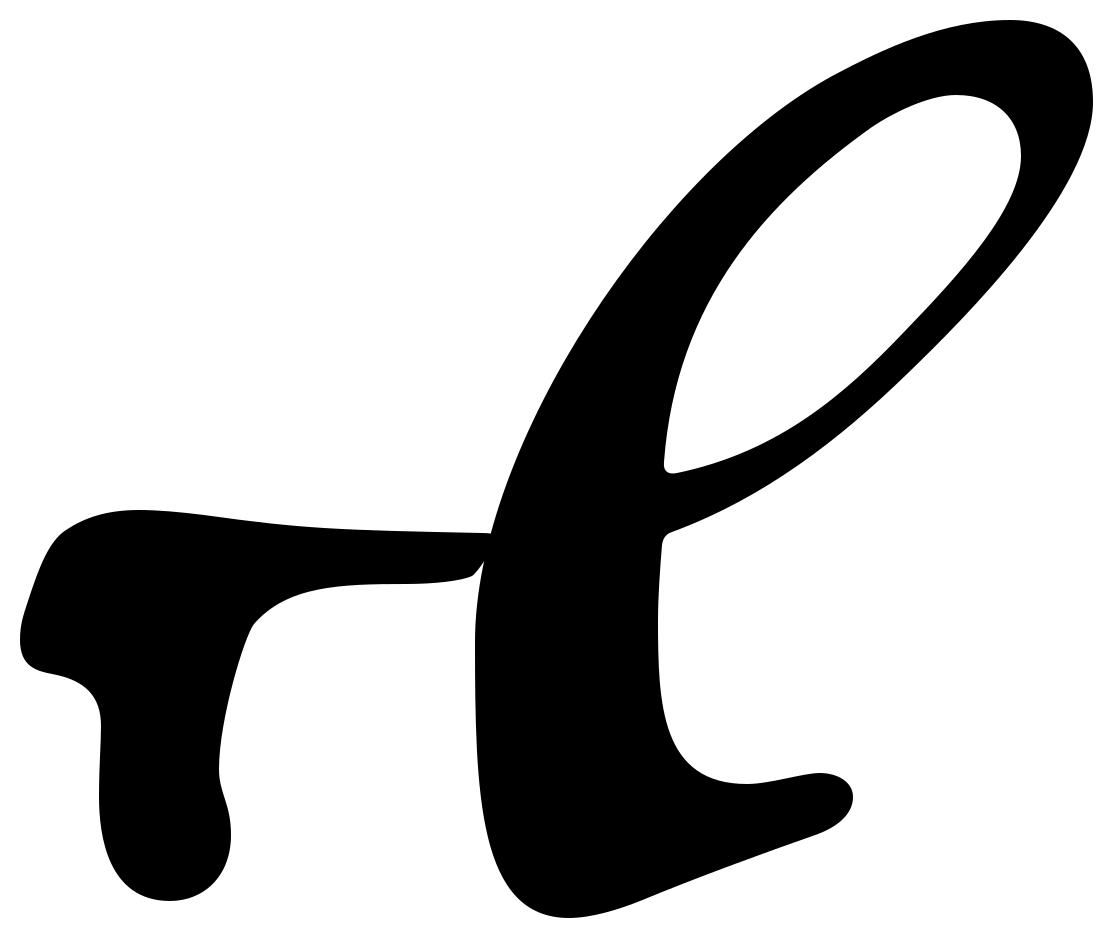
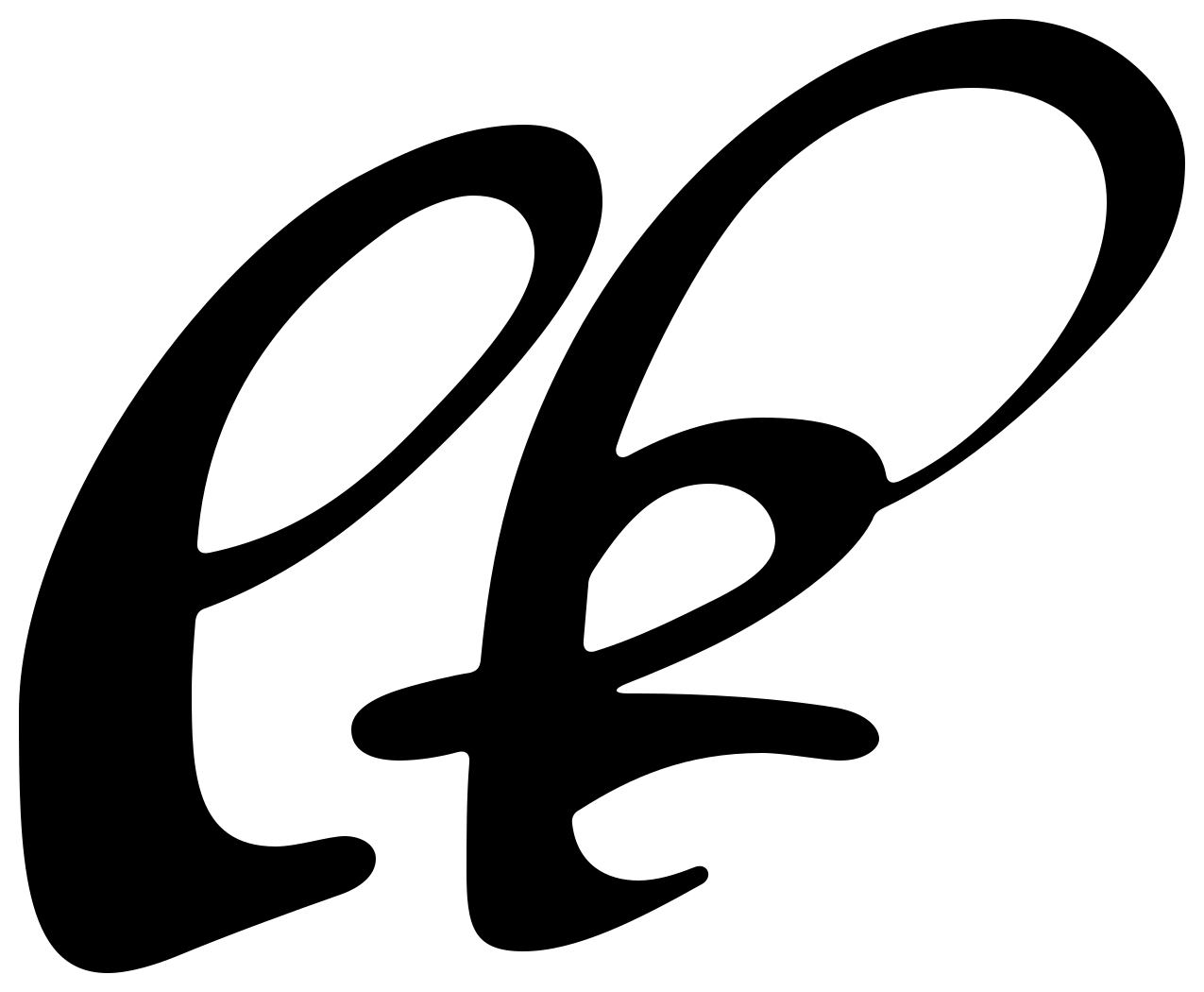
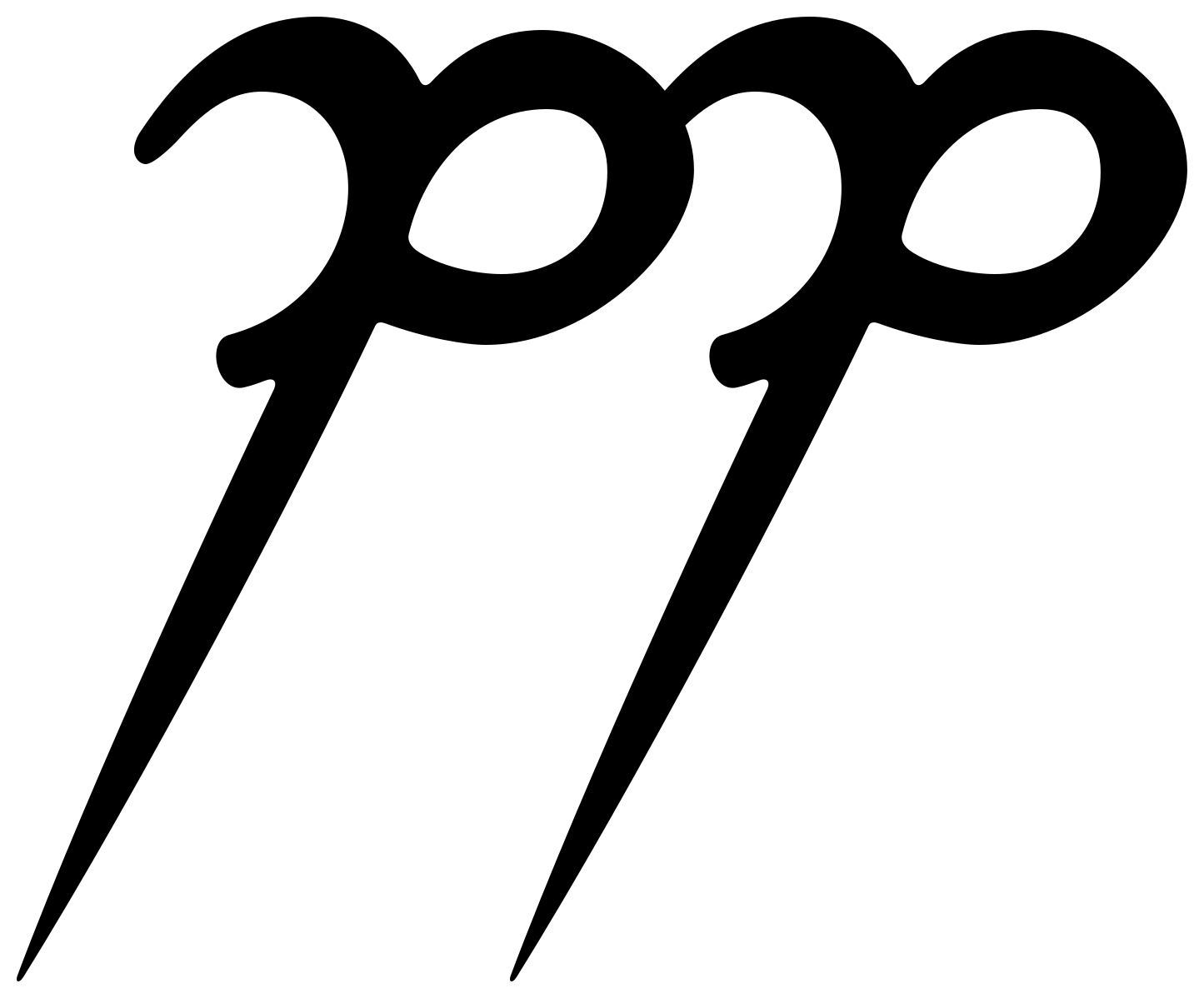
Letters the pen joins so closely that they read as one shape
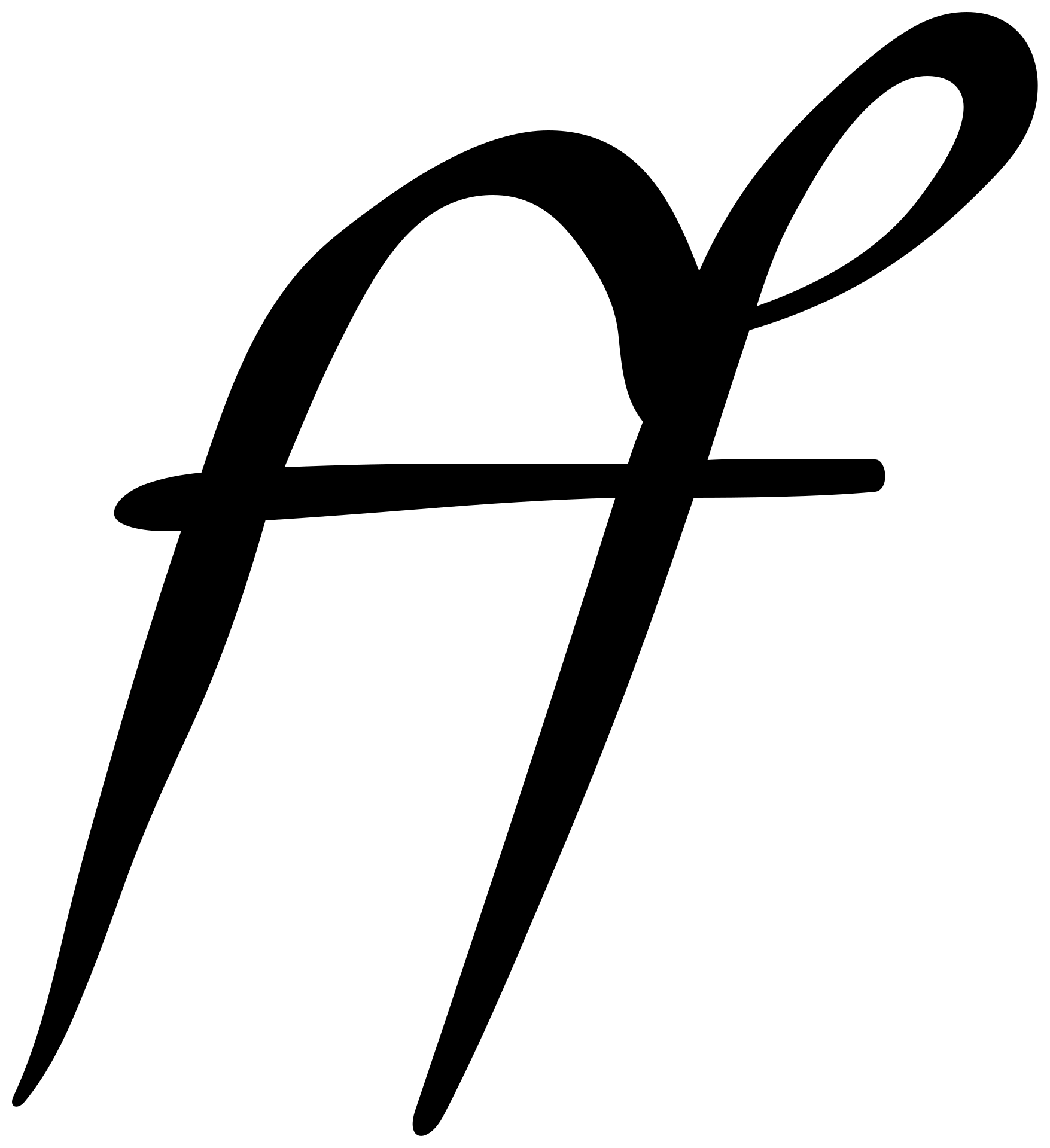
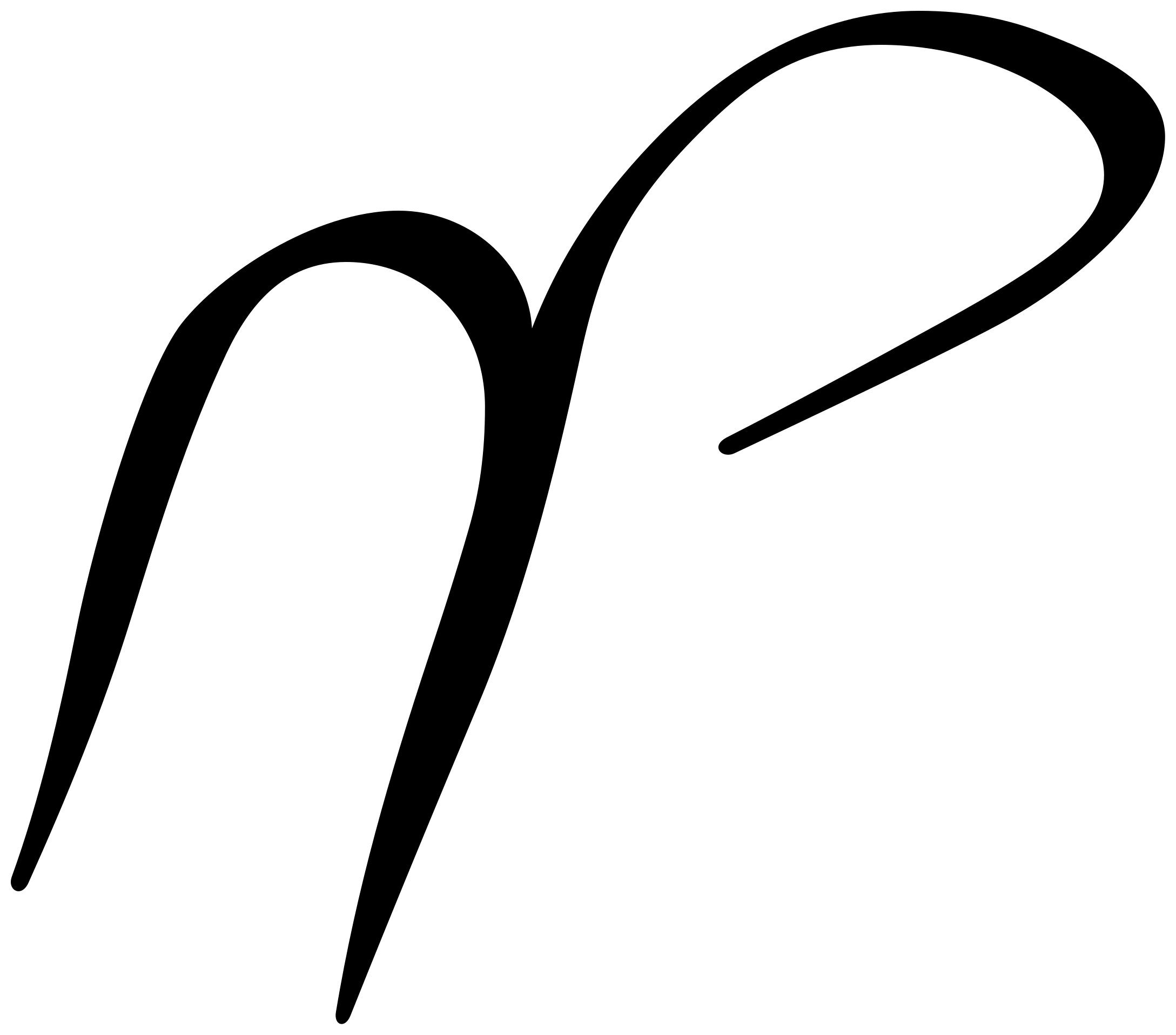
Reading notes
- Marks that aren't lettersLine-fillers, the virgule, the double hyphen, points around numbers, empty flourishes and the ways scribes corrected themselves: strokes to recognise, not to read as words.
- How transcriptions are writtenEditors agree on the aim but not on the signs: the same square brackets mean added letters in one edition and deleted ones in another.
- Earliest registers (1538–1560)Parish registers begin in 1538, before the Elizabethan secretary hand had settled. What to expect in the first twenty years of entries.
Historical context
- Money: pounds, shillings and pence
- Coins named in documents
- Line fillers and layout marks
- The calendar: New Year, double dates and regnal years
- Dates by feast and term
- Weights and measures
- Spelling and letters
- People and status words
- Which record, and why it exists
- Signing, sealing and witnessing
- Paper, parchment, quill and ink
- Who wrote the documents
Abbreviations
yᵉ, wᶜʰ, ꝑ, li. s. d. and the rest: what they stand for.