ExLatinis
ExLatinis aims to translate every Latin work printed between 1450 and 1750, putting the intellectual world of early modern Europe within reach of anyone
81 articles · page 1 of 7
Jon Cooper · July 5, 2026
ExLatinis: Recovering the Early Modern Mind
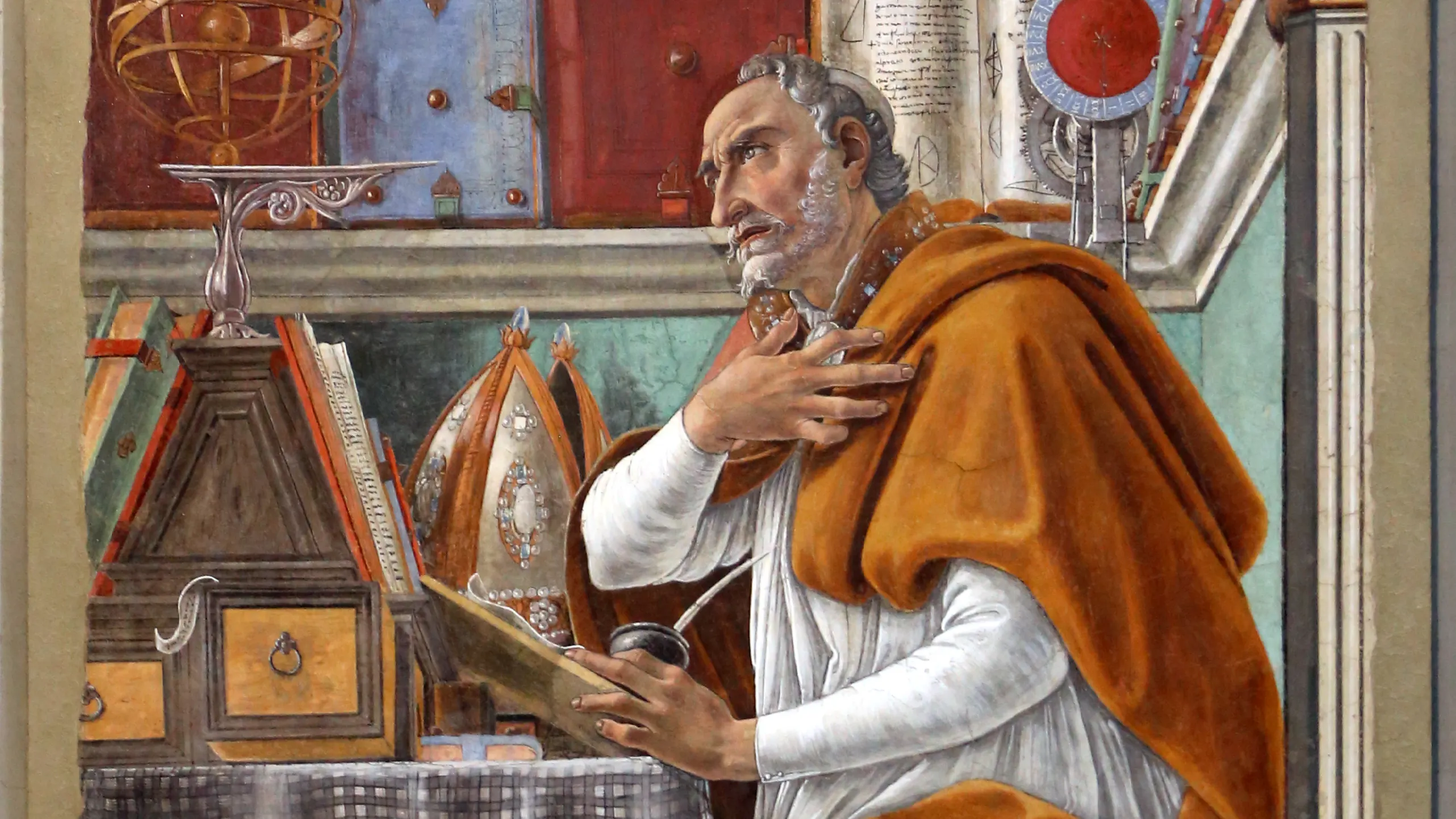
Latin carried the learned conversation of Europe for three centuries after the printing press before slowly falling out of use. Today, very few are able to read the vast record of early modern thought. ExLatinis is an attempt to increase access to that history, beginning with five texts that share the humanist impulse behind the project itself: ad fontes, a return to the source.
Read the article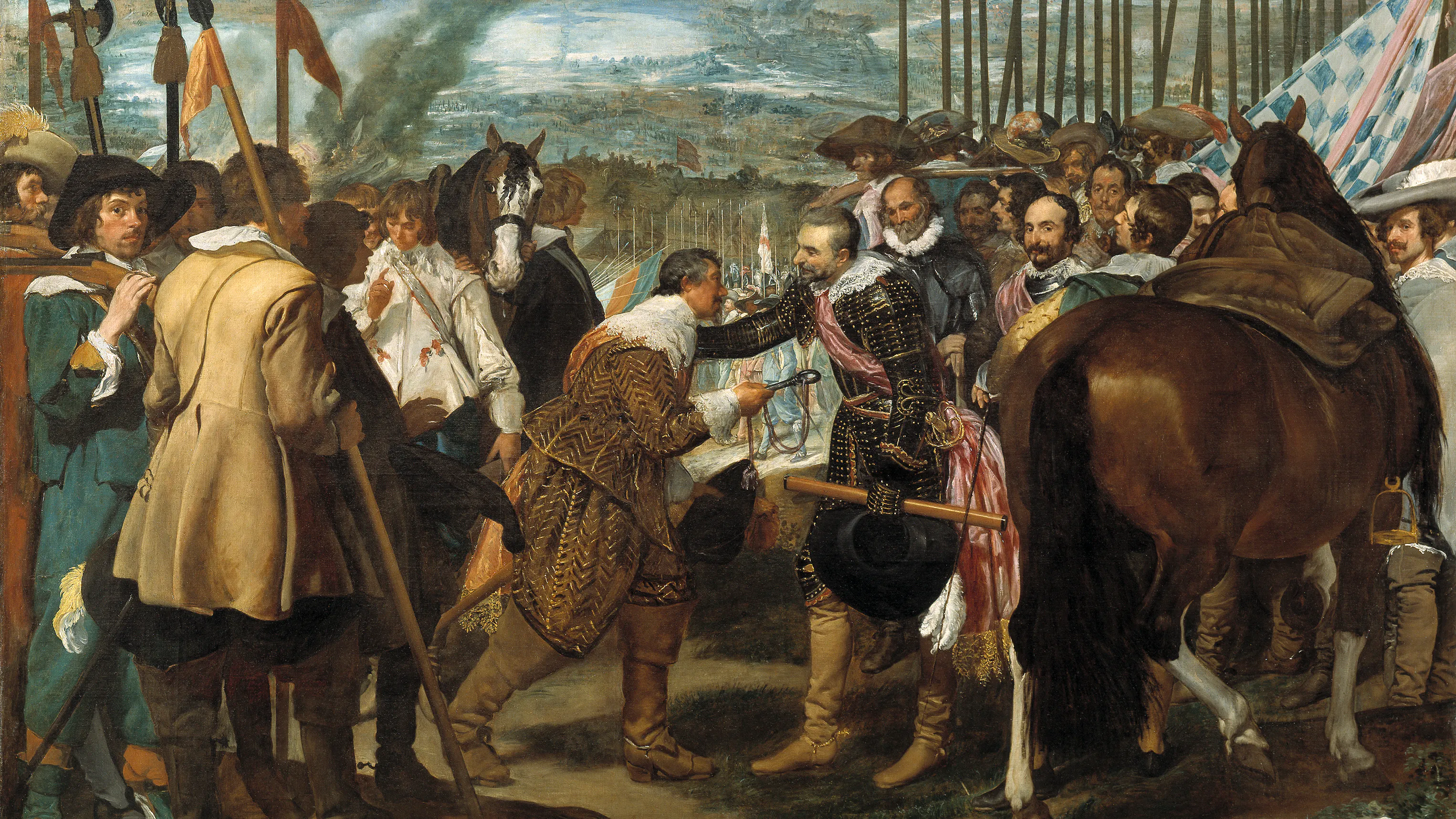
ExLatinis · October 9, 2026
A Divided Centaur: Hermann Hugo's On Cavalry, Ancient and Modern: Five Books Addressed to King Philip IV
Hermann Hugo was a Jesuit chaplain who had watched Spinola's siege of Breda from inside the camp, and at his death in 1629 he left a Latin folio on mounted warfare that the Plantin press printed at Antwerp the following year: De militia equestri antiqua et nova ad regem Philippum IV libri quinque. The book sets pistols beside Roman bowstrings and Habsburg regiments beside the Macedonian Agema, and it argues that drill, pay, and conscience make a cavalryman, not birth. It has never been translated and has scarcely been studied, yet it shows how a priest believed the armies of Philip IV might be repaired.
ExLatinis · October 8, 2026
Some Little Gems: Johannes Meursius's The Arnobian Critic: Critical Notes in Seven Books, with a Minucian Critic and Excerpts from the Paris Royal Manuscript
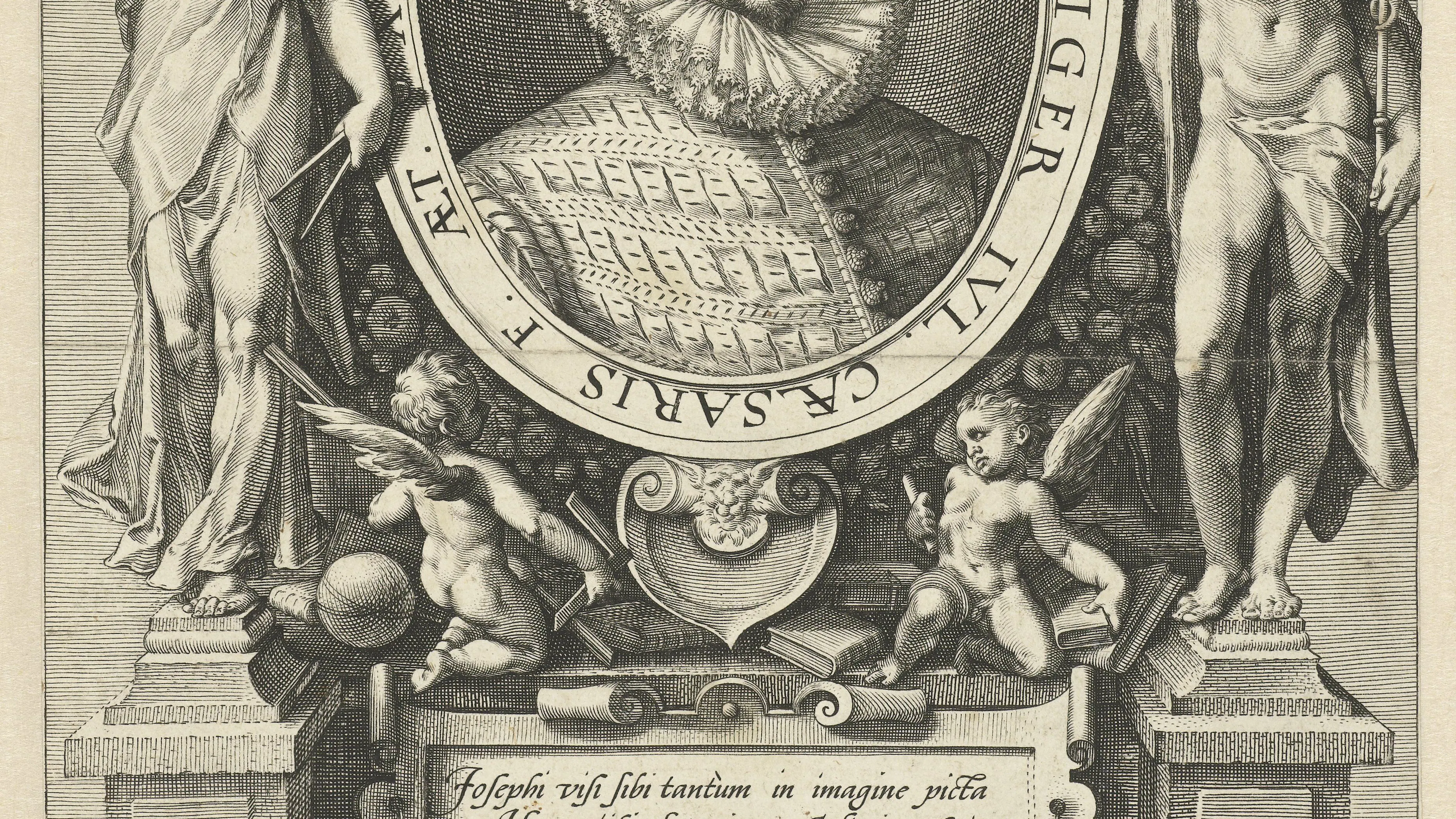
In 1599 the young Leiden scholar Johannes Meursius published the Criticus Arnobianus, a book of sharp, compact notes that tries to rescue the words of the African apologist Arnobius, and of Minucius Felix, from centuries of copyists who had smoothed rare Latin into familiar Latin. The work shows a late-humanist critic weighing his own conjectures against a Paris manuscript that reached him through Joseph Scaliger. It also shows him admitting, with unusual candour, when neither conjecture nor codex could settle a passage.

ExLatinis · October 7, 2026
Whose Walls Are Ships: Giulio Ferretti's On the Law and Practice of Naval Affairs
Giulio Ferretti of Ravenna, a sixteenth-century jurist and administrator, set out to show that ships, storms and sea battles belonged to lawyers as much as to admirals. His De iure, & re nauali et de ipsius rei navalis et belli aquatici praeceptis legitimis, liber, which reached Venetian print only after his death in 1547, prices marine risk, condemns wreckers, outlaws pirates and hails Venice as a queen whose walls are ships. The result is a sustained attempt to bring the whole business of the sea, from insurance contracts to Greek fire, under learned law.
ExLatinis · October 6, 2026
Each of Us a Columbus: Celestino Sfondrati's The Knot of Predestination Untied, So Far as Is Permitted to Human Understanding
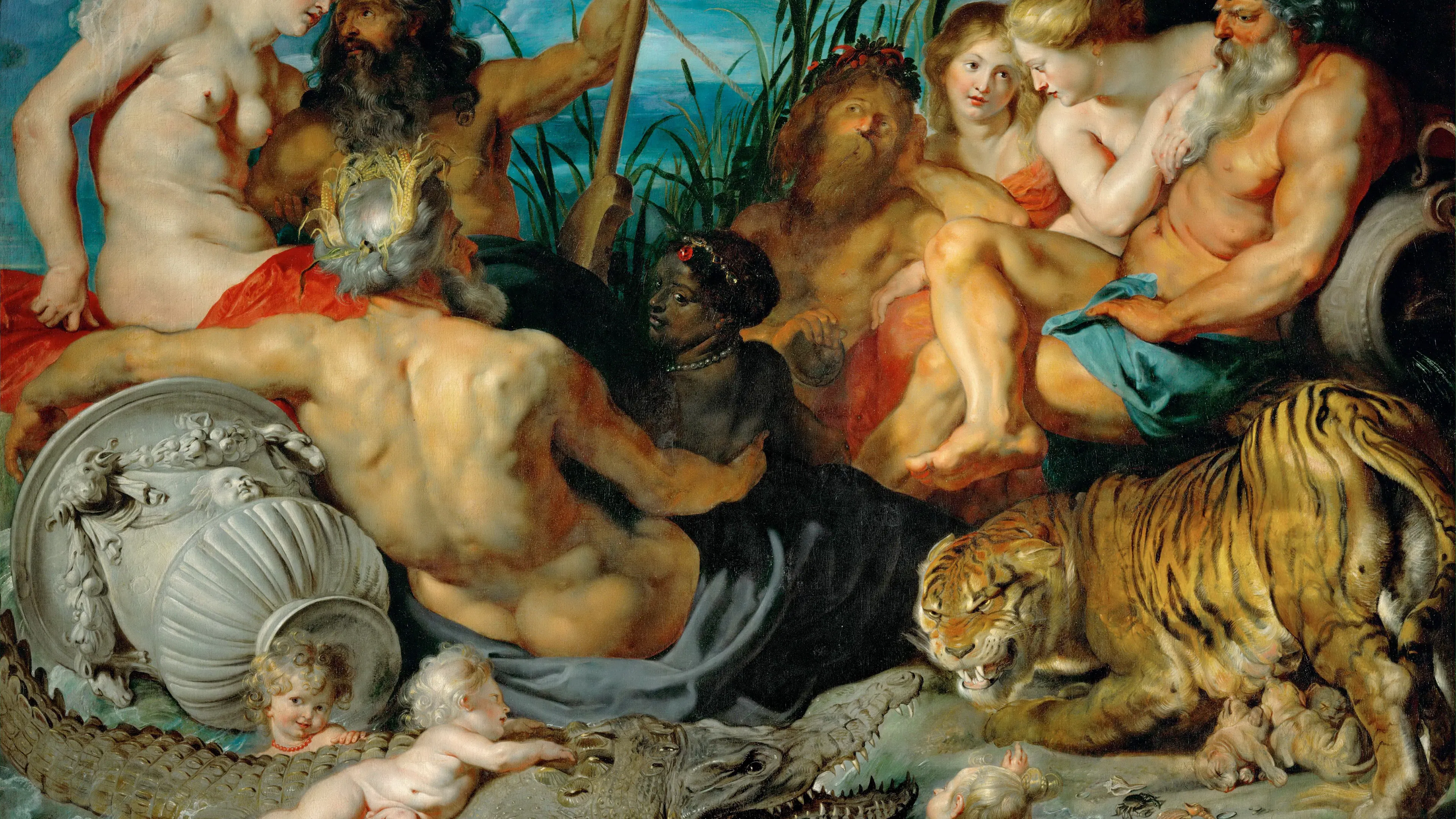
Written in the intervals of a fatal illness and printed at Rome in 1696, Cardinal Celestino Sfondrati's Nodus praedestinationis, ex sacris litteris doctrinaque SS. Augustini et Thomae, quantum homini licet, dissolutus takes on the oldest puzzle in Latin theology: how a God who chooses some for salvation can also sincerely will that all be saved and still leave them free. Sfondrati draws on Augustine, Aquinas, Roman law, painting, music and travel lore to argue that grace is offered to everyone and refused only by the human will, and he leaves what argument cannot settle, deliberately, to the secrets of God. The book drew a printed reply within two years, which shows how contentious even a moderate position on grace remained in the decades after the Jansenist condemnations.

ExLatinis · October 5, 2026
A Plank Sufficient for One: Christoph Haunold's Speculative Theology Adapted to Scholastic Lectures and Exercises, in Four Books Corresponding to Parts of St Thomas's Summa
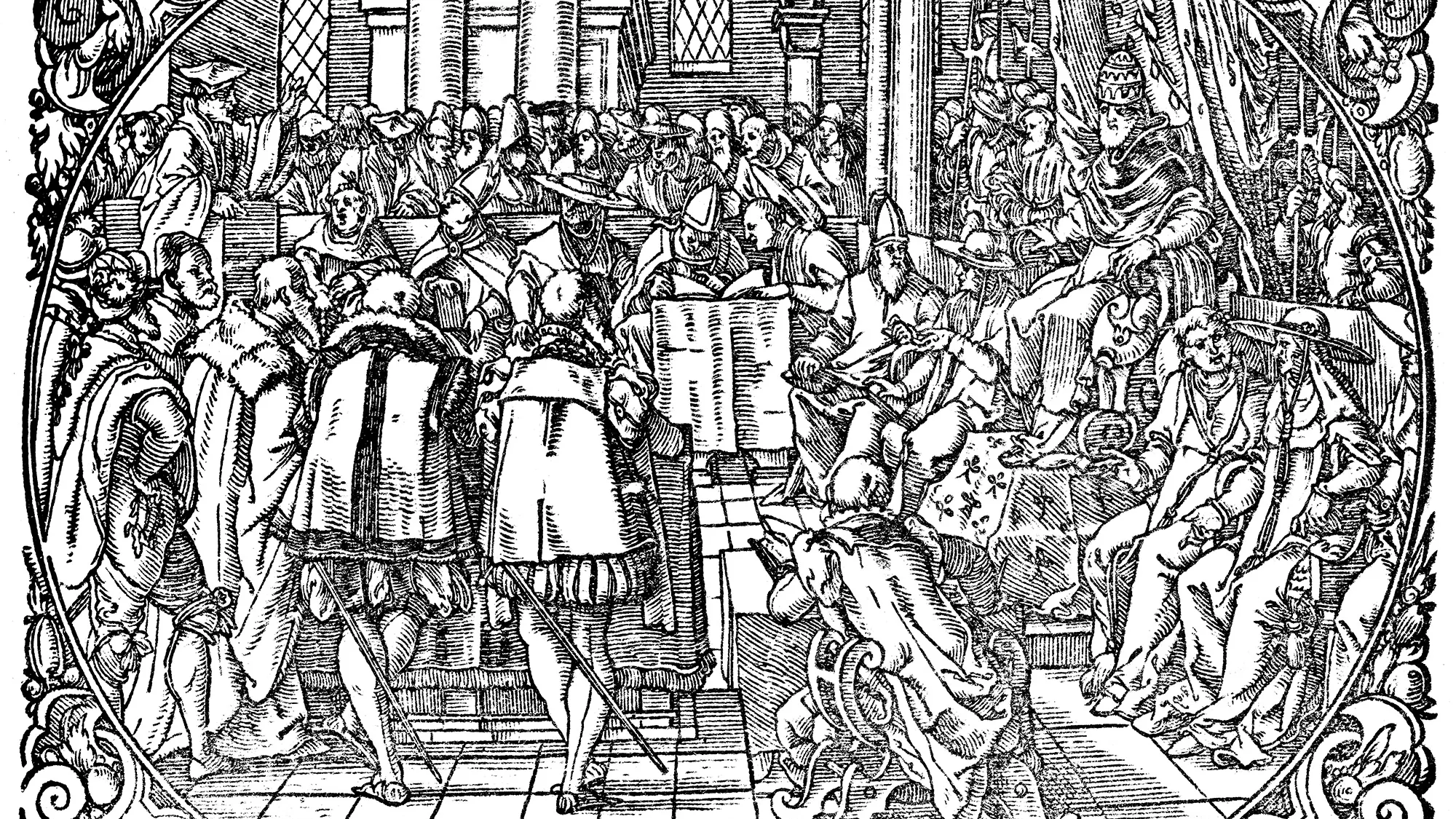
Christoph Haunold, a Bavarian Jesuit who lectured at Ingolstadt, published his Theologiae speculativae scholasticis praelectionibus et exercitiis accommodatae libri IV, partibus Summae D. Thomae respondentes as a four-book Latin course keyed to Aquinas's Summa and built for the lecture hall and the disputation floor. In it he defends Molinist freedom, the lawfulness of acting on a probable opinion, and the authority of Trent by recasting theology in the language of law: Adam's sin becomes a pact, absolution a judicial sentence, and a doubtful papal election a defect cured by universal acceptance. The course has never been translated into a modern language, yet it shows in close detail how a seventeenth-century Catholic professor fitted the hardest doctrines to the conscience of the ordinary believer, the peasant included.
ExLatinis · October 3, 2026
Like a Certain Hectic Fever: Thomas Stapleton's A Methodical Demonstration of the Doctrinal Principles of Faith
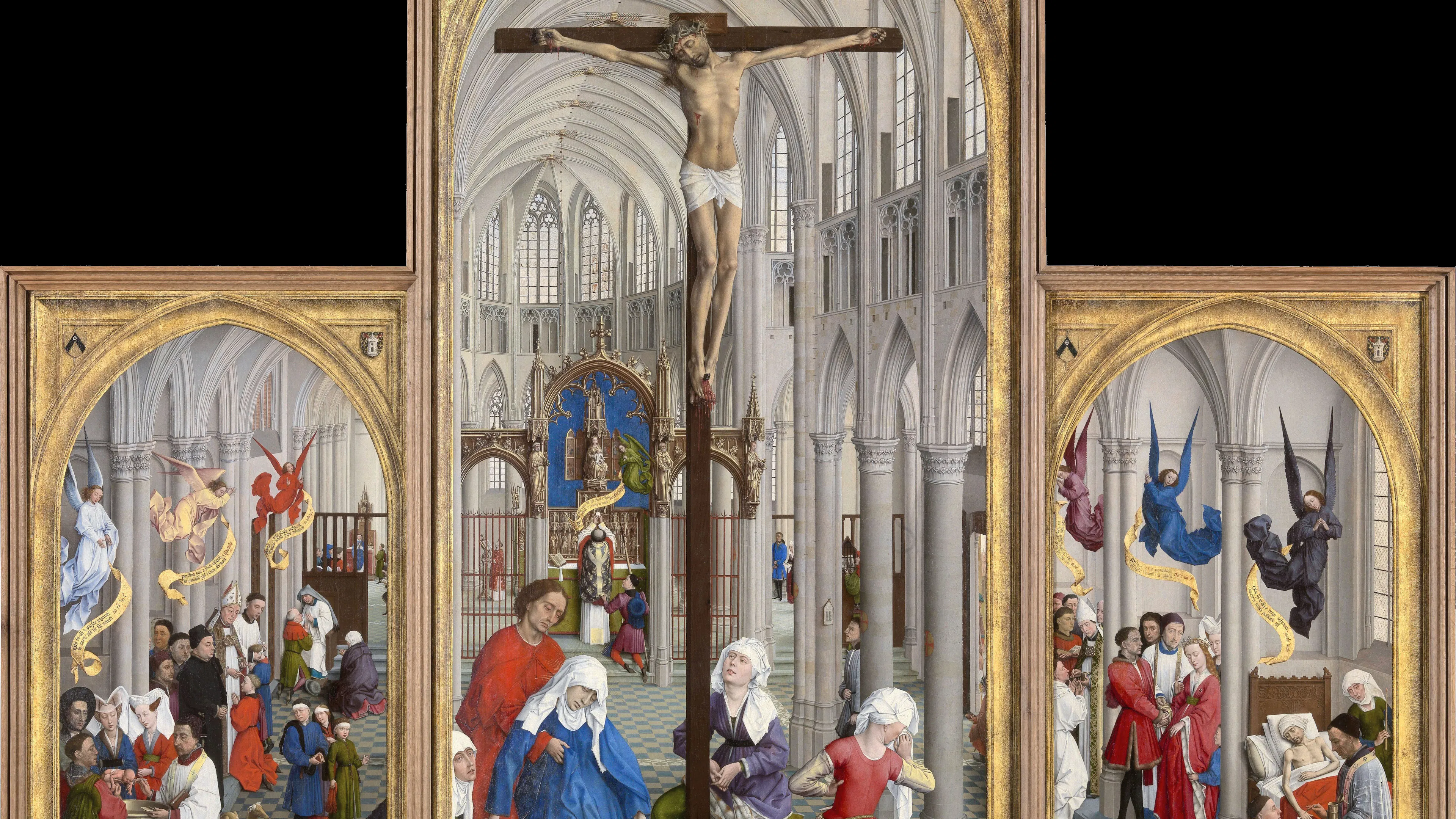
Thomas Stapleton was the English Catholic exile who held Douai's new chair of controversies. In the Principiorum fidei doctrinalium demonstratio methodica he set out to find the one certain rule that could close every quarrel over doctrine, and he located it in the living voice of a visible, perpetual Church. Read alongside his quodlibetic orations against the Reformers, the treatise shows a sixteenth-century polemicist turning the question of who may judge Scripture into a question of method, the question that had already split England from Rome.
ExLatinis · October 2, 2026
Not Yet Dug from the Earth's Veins: Wilhelmus Lindanus's The Gospel Panoply: Five Books on the Evangelical Word of God
Writing as Wilhelmus Lindanus, the Dordrecht theologian Willem Damasus van der Lindt published Panoplia evangelica, sive de verbo Dei evangelico libri quinque at Cologne in 1559–60 as a five-book Catholic reply to the Reformation principle of Scripture alone. His claim is that the Bible cannot be identified, much less interpreted, without the apostolic teaching the Church hands down unwritten. He presses it with Greek philology, canon law, Frisian church plate and a sharp eye for his opponents' contradictions, which makes the book an early and sustained answer to how Catholics defended tradition in the years of the Council of Trent.

ExLatinis · October 1, 2026
A Nose of Wax: Albert Pighius's The Assertion of the Ecclesiastical Hierarchy
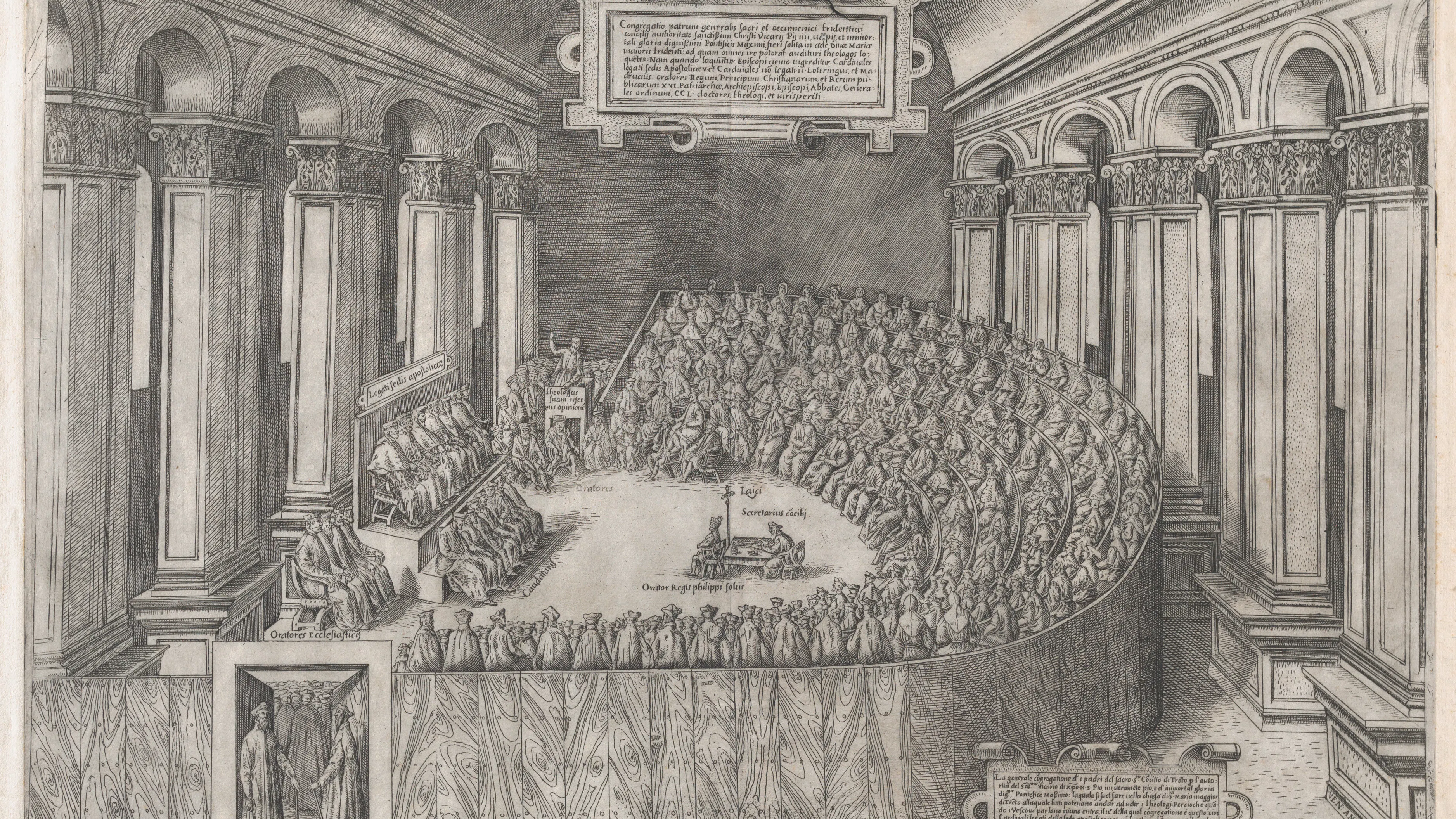
Albert Pighius, provost of St John's at Utrecht, printed his Hierarchiae ecclesiasticae assertio at Cologne in 1538. It is a six-book Latin defence of papal authority, dedicated to Paul III and aimed at Luther, at the conciliarists, and at Henry VIII's new headship of the English Church. Its argument is that Scripture alone, a wax nose that bends to every reader, cannot settle religious quarrels, and that truth must be guarded by a living, ordered Church under one visible head; written before Trent fixed Catholic teaching, it shows a combative humanist theologian rebuilding the case for Rome from consensus, antiquity, and succession.
ExLatinis · September 30, 2026
Irrefragable Engine: Johannes Driedo's On the Scriptures and Dogmas of the Church, in Four Books
Johannes Driedo's De ecclesiasticis scripturis et dogmatibus libri quatuor, printed at Leuven in 1533, answered the Lutheran appeal to Scripture alone with three questions: how the Church knows which books are divine, which Latin text binds, and what binds beyond the written page. His answer is that the Church witnesses to Scripture rather than authoring it. That position lets him call the Latin Old Testament "mixed and not pure" while still defending the Vulgate's thousand years of reception. Thirteen years before the Council of Trent took up the same questions, a Leuven theologian had already worked through the distinctions on which Catholics and Protestants would argue over Bible and tradition.
ExLatinis · September 29, 2026
Even While the Workmen Sleep: Paolo Casati's Eight Books of Mechanics
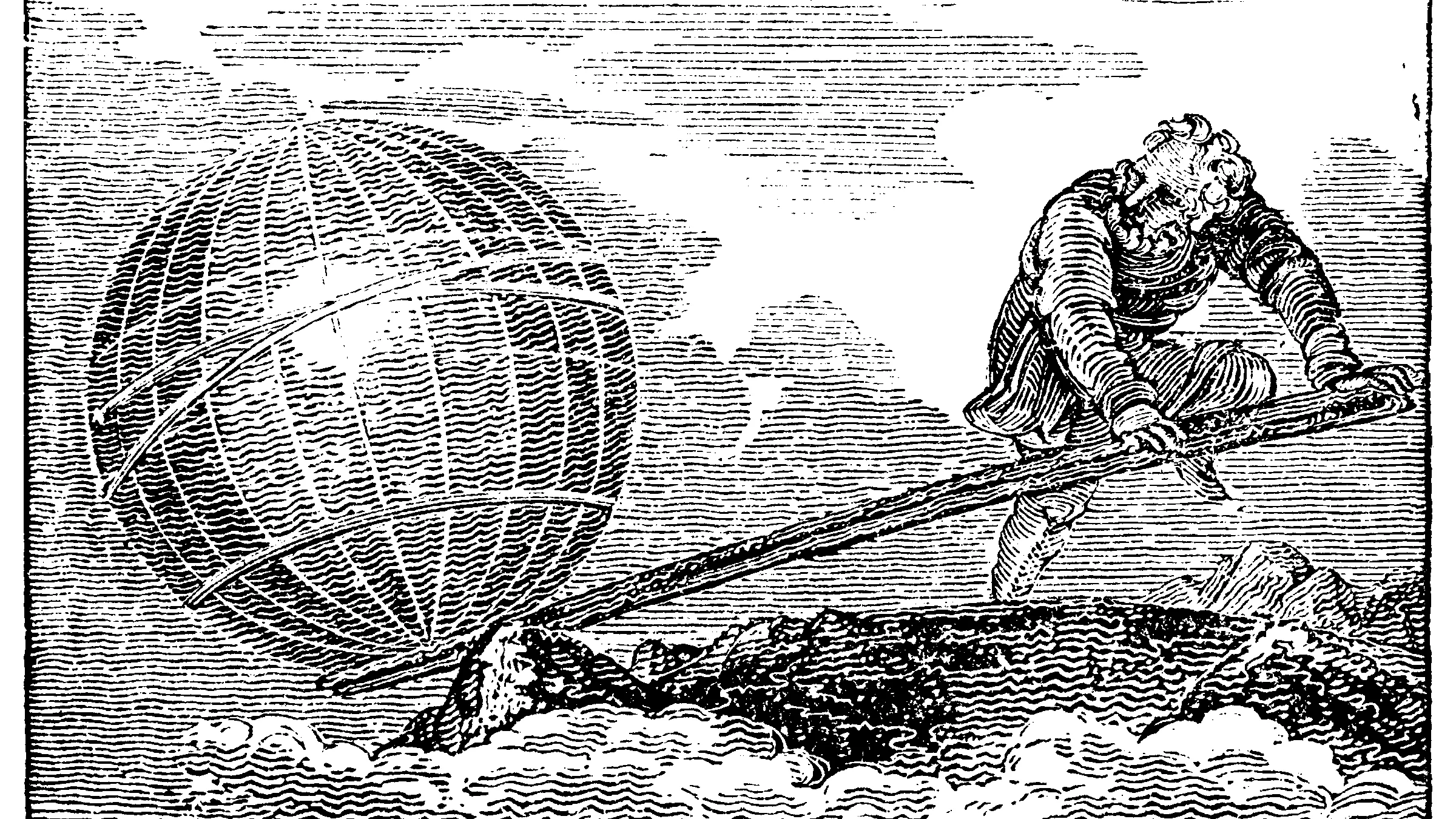
Paolo Casati, a Jesuit mathematician from Piacenza who taught at the Collegio Romano, published Mechanicorum libri octo at Lyon in 1684. The eight-hundred-page Latin treatise promises to explain every machine by the lever, then spends much of its length showing why the lever cannot carry that burden. What it offers instead is a strict account of exchange, in which a machine creates no force and only trades speed, space, and time against weight in what Casati calls a "perpetual justice," which makes the book an unusually candid witness to how mechanics was turning into a unified science before Newton.
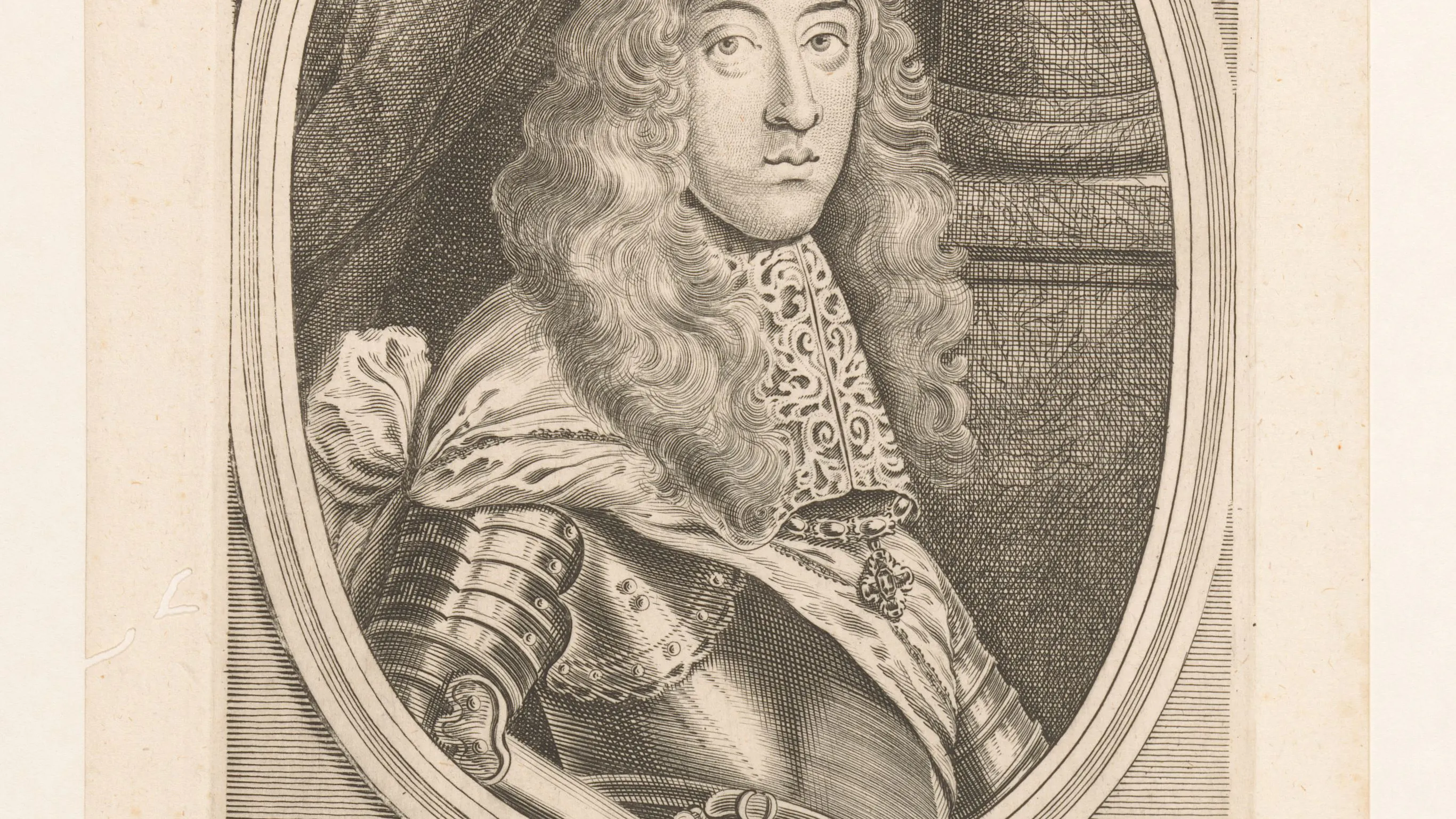
ExLatinis · September 28, 2026
Weights in Place of Lines: Giovanni Ceva's On Straight Lines Intersecting One Another: A Construction by Statics
In 1678 the Milanese mathematician Giovanni Ceva published De lineis rectis se invicem secantibus statica constructio, a slim Latin quarto that untangles knots of mutually intersecting lines by hanging imaginary weights on them and reading off their centres of gravity. It gave modern geometry the triangle result still called Ceva's theorem. Its larger interest lies in its method: a disciplined raid on mechanics, made under ducal patronage, that ends by auditing the very infinitesimal techniques that set it in motion.
Read the article